
Trump’s 50% Canada Tariffs To Begin Tonight As Trade Deal Fails To Materialise

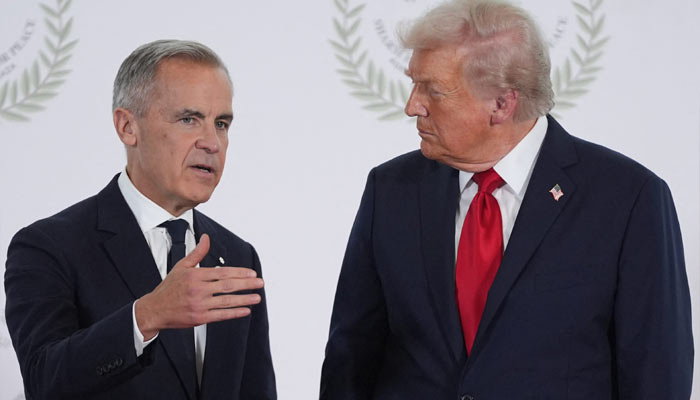
The United States is set to impose 50% tariffs on about US$20 billion worth of Canadian goods after last-minute negotiations between Washington and Ottawa failed to produce a trade agreement.
The new duties are expected to take effect early Saturday local time and will cover around 5% of Canada’s annual exports to the US, affecting products ranging from hockey sticks to medical tongue depressors. US Trade Representative Jamieson Greer said Canada had declined to finalise an agreement based on terms discussed earlier in the week.
“Tonight, Canada declined to finalize the trade deal under the terms agreed earlier this week,” Greer said in a statement, according to the Associated Press. He accused Canada of introducing new demands and reversing commitments made during the negotiations.
Carney Hits Back At US Terms
Canadian Prime Minister Mark Carney criticised the last-minute changes proposed by Washington, describing them as “unfair” and “uneconomic”. Carney said the changes also raised questions about the reliability of any potential agreement with the US.
He said Ottawa would announce additional measures to support Canadian workers and businesses and made clear that Canada would respond to the new US tariffs dollar for dollar.
Greer, meanwhile, described the US proposal as “forward-looking” and said it could establish what he called a historic economic and national security partnership between the two countries.
Trade Tensions Escalate
The breakdown comes despite the enormous scale of US-Canada trade. The two countries exchanged around US$880 billion in goods and services last year, highlighting their deep economic dependence.
The tariffs were originally scheduled to begin at 12:01 a.m. Wednesday, but Trump extended the deadline by three days to give negotiators more time to reach an agreement.
The extension failed to produce a breakthrough.
Washington and Ottawa have longstanding disagreements over Canadian softwood lumber exports and access to Canada’s protected dairy market. Despite such disputes, the countries have traditionally maintained close economic and security ties.
Their 5,525-mile border remains largely undefended, while hundreds of thousands of people and billions of dollars in goods cross it every day.
Trump’s Canada Policy Sparks Anger
Trump’s tariff policy has marked a significant shift in the traditionally close relationship between the two neighbours.
His administration has argued that tariffs can encourage companies to move manufacturing to the US. Trump has also repeatedly suggested that Canada should become the 51st US state, a proposal that has triggered strong opposition across Canada.
Public frustration has also been directed at US Ambassador Pete Hoekstra. A petition seeking his removal reportedly collected nearly 248,000 signatures after accusing him of helping normalise Trump’s comments about annexing Canada.
Economic Risks For Both Countries
Canada is particularly exposed to the dispute, with nearly 72% of its goods exports going to the US last year. But higher tariffs could also hurt American consumers and businesses. US importers pay the tariffs and may pass the additional costs on through higher prices.
That could add to cost-of-living pressures in the US ahead of the November midterm elections.
With negotiations now stalled and both governments preparing retaliatory measures, the latest tariff dispute threatens to further strain one of the world’s most closely integrated trading relationships.
Comments are closed.