
Trump’s Temporary Global Tariffs Blocked by US Trade Court in Fresh Ruling

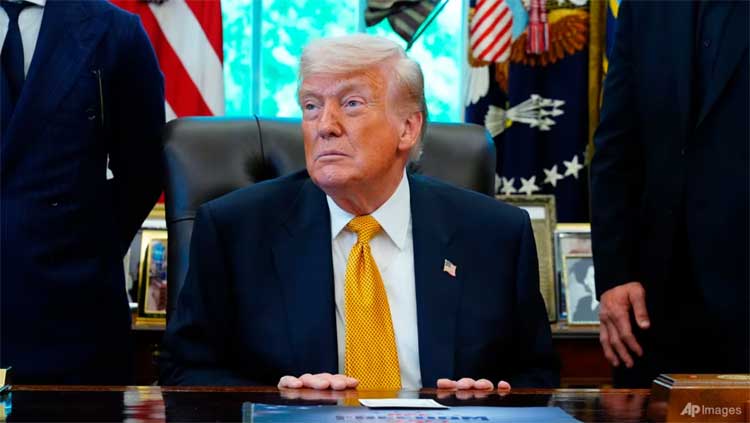
A federal trade court on Thursday dealt another setback to US President Donald Trump’s tariff policy, ruling that the administration’s temporary 10% global tariffs were not justified under federal law.
In a 2-1 decision, a three-judge panel of the United States Court of International Trade said Trump had exceeded the authority granted to the president by Congress, declaring the tariffs “invalid” and “unauthorized by law.” The ruling follows an earlier setback for the administration after the Supreme Court of the United States struck down a broader tariff regime imposed last year on imports from nearly every country.
India had also been affected by the earlier measures, which included a 25% tariff along with an additional 25% penalty linked to its continued imports of Russian crude oil. An interim India-US trade arrangement later reduced the effective tariff rate to 18% before the Supreme Court invalidated those tariffs.
Relief limited to plaintiffs
The court stopped short of blocking the tariffs nationwide, limiting the ruling to the three plaintiffs in the case — the state of Washington, spice company Burlap & Barrel, and toy maker Basic Fun!.
Jeffrey Schwab of the Liberty Justice Center, which represented the two companies, said uncertainty remains over whether businesses not directly involved in the lawsuit must continue paying the tariffs. “It’s not clear whether other businesses would still be required to pay them,” Schwab said, according to AP.
The legal challenge focused on temporary 10% worldwide tariffs imposed under Section 122 of the Trade Act of 1974 after the Supreme Court’s February ruling against the earlier tariff framework. Those duties were scheduled to remain in effect until July 24.
Another legal hurdle for Trump
The decision marks the latest judicial obstacle for Trump’s efforts to broaden presidential tariff powers. Last year, Trump invoked the International Emergency Economic Powers Act of 1977, arguing that America’s longstanding trade deficit constituted a national emergency and justified sweeping import duties.
However, the Supreme Court ruled on February 28 that the law does not grant the president authority to impose such tariffs. Under the US Constitution, Congress holds the power to levy taxes and tariffs, though it can delegate limited authority to the executive branch.
The Trump administration is expected to appeal Thursday’s ruling to the United States Court of Appeals for the Federal Circuit, with the case potentially headed back to the Supreme Court.
Comments are closed.