
TVK Calls for Abolishing NEET, Pushes for States to Control Medical Admissions

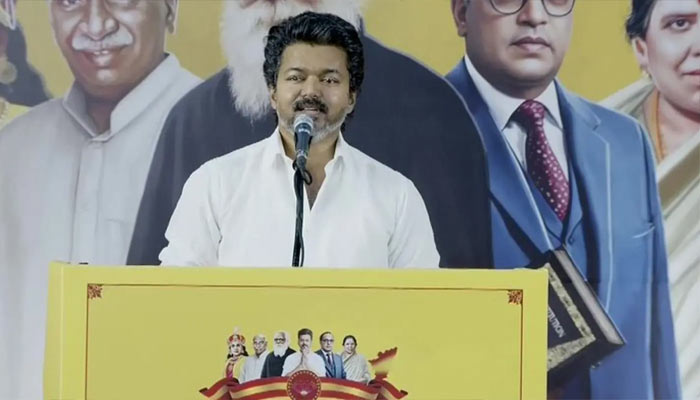
Tamilaga Vettri Kazhagam (TVK) on Tuesday renewed its demand for the complete abolition of the National Eligibility-cum-Entrance Test (NEET), saying.
The issue was not merely about alleged irregularities in the examination but about the examination itself. The party also called for states to be given full control over medical education and admissions.
Issuing a statement amid student protests over NEET in Delhi, TVK said its position on the national medical entrance examination remained “clear, firm and uncompromising”. It argued that scrapping NEET was the only lasting solution and urged the Centre to transfer education from the Concurrent List to the State List of the Constitution, enabling states to frame and implement their own education policies.
The party further proposed an interim mechanism in case constitutional amendments take time. It suggested the creation of a Special Concurrent List that would temporarily empower state governments with complete authority over education, including medical education, until the constitutional changes are implemented.
Taking an apparent swipe at the ruling DMK without naming it, TVK said it would never indulge in “fraudulent politics” by making promises it could not fulfil. The remarks were seen as a reference to the DMK’s 2021 Assembly election pledge to abolish NEET after coming to power.
TVK said its vision of restoring educational powers to states had already been articulated by its president, C. Joseph Vijay, who has consistently advocated greater state autonomy in matters concerning education.
The party also criticised those it accused of appropriating the efforts and ideas of others for political gain, saying such practices should stop. The statement came amid a political row over rapper Therukkural Arivu, who recently raised anti-NEET slogans outside the Tamil Nadu Secretariat before being detained by police.
Reiterating its stand, TVK said the permanent solution to the controversy lies in abolishing NEET and restoring complete authority over education and medical admissions to state governments, maintaining that this would better reflect the diverse educational needs of individual states.
Comments are closed.