
U.S. Moves in Venezuela Strain Ties as Europe Scales Back Intel Cooperation

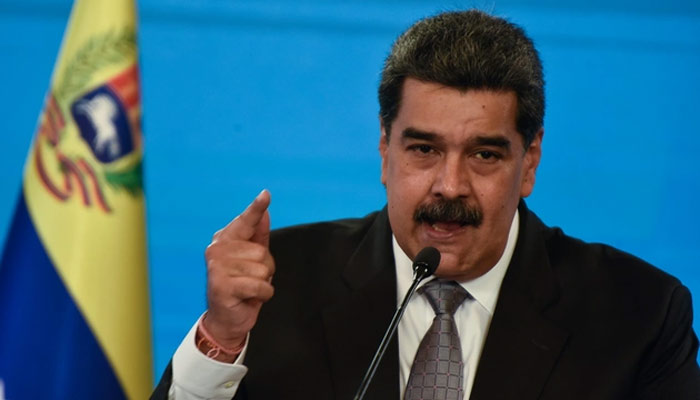
European allies are quietly pulling back on intelligence sharing with Washington over growing unease about a U.S. military campaign targeting alleged Venezuelan drug traffickers and former President Donald Trump’s threats of possible ground action against Nicolás Maduro, according to officials cited.
France, the Netherlands and the United Kingdom—each with territories or strategic stakes in the Caribbean—have begun withholding certain operational intelligence out of concern it could be used for strikes considered illegal under their national laws.
The Netherlands is particularly exposed, with its ABC islands—Aruba, Bonaire and Curaçao—just 50 kilometres from Venezuela. France’s Martinique, Guadeloupe and French Guiana, along with several British overseas territories, also heighten European sensitivities over potential escalation.
The U.S. has deployed an aircraft carrier group, warships and stealth jets to the region while accusing Maduro of leading a “terrorist” drug network—an accusation he rejects. Since September, U.S. forces have carried out more than 20 airstrikes on boats in the Caribbean and eastern Pacific, killing at least 83 people. Washington has provided no public evidence confirming the victims were drug traffickers.
European officials fear being drawn into actions that could violate their domestic legal frameworks. “No European country will send operational intelligence to the Americans in the current situation if it could be used as a basis for a strike,” a senior French police official told RCI. Dutch intelligence chief Erik Akerboom similarly warned against “politicization” and potential human rights concerns.
In the UK, The Times reported that Attorney General Richard Hermer advised ministers to halt intelligence sharing over concerns Trump could authorize lethal action against suspected traffickers. U.S. Secretary of State Marco Rubio has dismissed such reports as “fake news.”
Intelligence veterans stress this is not a rupture. Former MI6 chief Richard Dearlove said the limits are “local and specific,” noting such legal mismatches have occurred before and do not alter the broader transatlantic intelligence partnership.
European officials also recognize that U.S. operations in the region are largely self-sufficient. As one French security source noted, the impact of Europe’s restraint is mostly “theoretical,” since Washington does not rely heavily on European inputs for counter-narcotics operations.
Dearlove emphasized that the issue should not be interpreted as a fundamental shift, calling it a “strictly legal problem” rather than a strategic one.
Comments are closed.