
UAE accelerates pipeline expansion plan to reduce reliance on Strait of Hormuz route

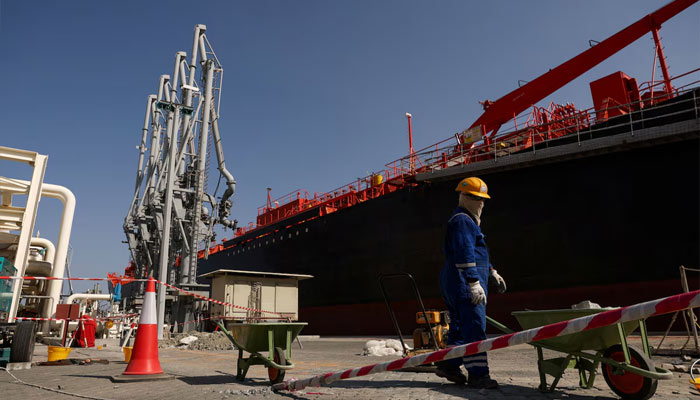
The United Arab Emirates (UAE) on Friday announced that it will speed up construction of a major oil pipeline project designed to expand crude exports through Fujairah, as regional tensions continue to threaten shipping through the Strait of Hormuz.
The decision comes amid growing instability linked to the Iran-US-Israel conflict, which has heightened concerns over disruptions to global energy supplies and maritime trade in the Gulf region. Abu Dhabi Crown Prince Khaled bin Mohamed bin Zayed Al Nahyan instructed the Abu Dhabi National Oil Company (ADNOC) to fast-track the West-East Pipeline project during a high-level executive committee meeting, according to reports.
The pipeline, which is currently under construction, is expected to begin operations in 2027 and will significantly increase the UAE’s capacity to export oil through Fujairah on the Gulf of Oman, bypassing the Strait of Hormuz.
The UAE already operates the Abu Dhabi Crude Oil Pipeline (ADCOP), also known as the Habshan-Fujairah pipeline, which can transport up to 1.8 million barrels of crude oil per day directly to the Gulf of Oman coast without crossing Hormuz.
Among Gulf nations, only the UAE and Saudi Arabia currently possess pipeline infrastructure capable of exporting crude outside the Strait of Hormuz. Other major producers, including Kuwait, Iraq, Qatar and Bahrain, remain largely dependent on the narrow waterway for oil shipments.
The Strait of Hormuz, located between Iran and Oman, is one of the world’s most strategically important energy routes, with nearly 20 per cent of global oil supplies passing through it under normal conditions. The latest move by Abu Dhabi comes as the conflict in the region continues to fuel fears of supply disruptions after Iran responded to a US-Israeli military campaign launched earlier this year.
Comments are closed.