
UNESCO Adds Maratha Military Landscapes to 2025 World Heritage List in Historic First

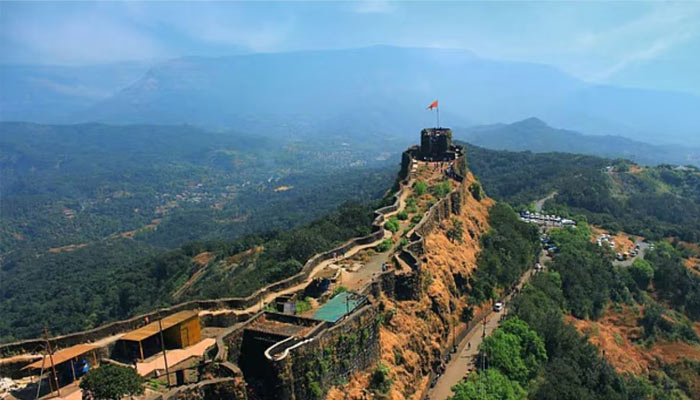
Maratha Military Forts Join UNESCO World Heritage List 2025, India’s 44th Entry.
In a proud cultural milestone, the Maratha Military Landscapes of India have been inscribed on the UNESCO World Heritage List for 2025, joining 25 other newly recognised sites from across the globe. The decision was announced during the 47th session of the UNESCO World Heritage Committee in Paris.
The inclusion marks India’s 44th entry on the prestigious list and celebrates the strategic network of 12 hill forts associated with Chhatrapati Shivaji Maharaj and the Maratha Empire, which ruled large parts of the Indian subcontinent from the 17th to 19th centuries.
Recognising Outstanding Universal Value
At a time when cultural heritage faces increasing threats, a World Heritage tag offers not just global recognition but a renewed focus on conservation. The Maratha Military Landscapes were chosen for their Outstanding Universal Value (OUV) — a UNESCO criterion signifying importance that transcends national boundaries.
The fort network, spread across Maharashtra and Tamil Nadu, showcases the Maratha Empire’s military ingenuity, blending natural topography with advanced fortification systems. These include iconic sites like Raigad, Rajgad, and Sinhagad, which have long stood as symbols of resistance, resilience, and regional identity.
A Moment of Pride
Sharing the announcement, Union Home Minister Amit Shah expressed joy and national pride.
“It is a moment of immense pride for all countrymen that UNESCO has included 12 forts associated with the life of Maharajadhiraj Chhatrapati Shivaji Maharaj in the World Heritage List,” he wrote on X (formerly Twitter).
He also reflected on his recent visit to Raigad Fort, calling it a “spiritual experience” and highlighting the forts’ role as pillars of Hindu Swaraj and inspiration for generations.
Global Heritage Additions in 2025
The Maratha Military Landscapes are among 26 new sites added this year, including 21 cultural, 4 natural, and 1 mixed site. Some notable entries include:
Cambodian Memorial Sites (Cambodia)
Megaliths of Carnac (France)
Minoan Palatial Centres (Greece)
Petroglyphs of Bangucheon Stream (South Korea)
The Colonial Transisthmian Route (Panama)
Xixia Imperial Tombs (China)
Cavernas do Peruacu National Park (Brazil)
Mount Kumgang – Diamond Mountain from the Sea (North Korea)
Each of these sites reflects unique cultural, historical, or ecological significance and now joins the growing global list of protected World Heritage locations across 196 countries.
Comments are closed.