
United States, Iran leave door open for dialogue after tense Islamabad talks

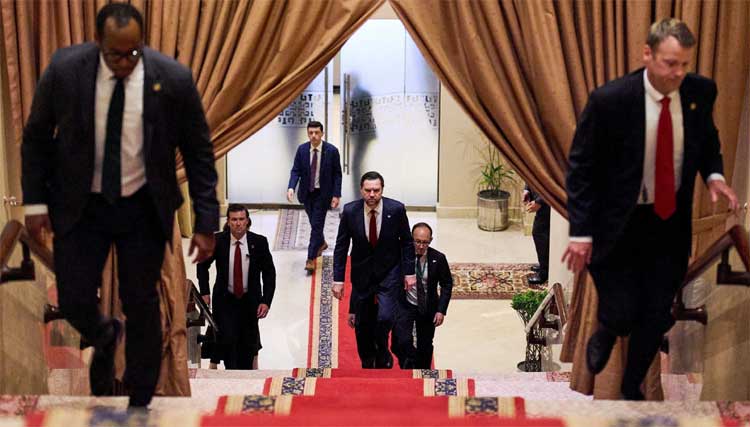
After a tense, sleepless night in Islamabad, senior officials from United States and Iran wrapped up their highest-level talks in decades without a breakthrough, though multiple sources said negotiations remain ongoing.
The weekend meeting—held days after a ceasefire announcement—marked the first direct engagement between the two sides in over a decade and the most senior contact since Iranian Revolution. Hosted at the Serena Hotel, discussions were split across separate areas for US and Iranian delegations, with Pakistani mediators facilitating exchanges.
Key issues included the Strait of Hormuz, a critical global energy route effectively blocked by Iran, alongside Tehran’s nuclear programme and sanctions. Delegates, including US Vice President JD Vance and Iranian parliamentary speaker Mohammad Baqer Qalibaf, were forced to relay messages manually due to a ban on phones inside the main переговор room.
Despite early optimism, talks faltered after coming “very close” to an agreement, with sources estimating progress at around 80%. Iranian officials described the atmosphere as tense and mistrustful, though there were brief signs of improvement and even discussion of extending talks.
According to sources, disagreements persisted over Iran’s nuclear ambitions, access to frozen assets, sanctions relief and control of Hormuz. While Washington pushed for a deal ensuring Iran never obtains nuclear weapons, Tehran sought broader guarantees, including a permanent ceasefire and assurances against future attacks.
US President Donald Trump said on Monday that Iran had reached out expressing interest in a deal, though this could not be independently verified. The White House maintained that its core position remained unchanged, insisting Iran must not acquire nuclear weapons.
Pakistani officials, including Prime Minister Shehbaz Sharif, said efforts to mediate and sustain dialogue were continuing, with channels between Tehran and Washington still open.
While the talks exposed deep divisions, both sides appear to have incentives to de-escalate, amid economic strain, domestic pressures and the broader global impact of disrupted energy supplies.
Comments are closed.