
US Hikes Visa Fees for Indians: Tourist, Student Applications Now Costlier

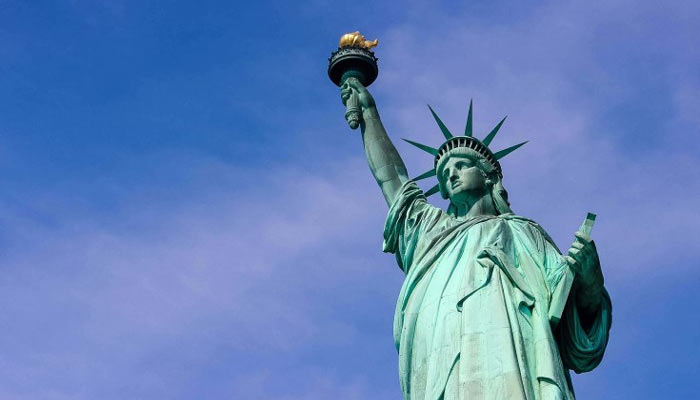
US Visa Costs Set to Soar for Indians in 2026 With New $250 Integrity Fee.
Starting in 2026, Indian applicants for US visas will face a sharp increase in fees, following the introduction of a new $250 ‘Visa Integrity Fee’ under President Donald Trump’s recently signed immigration bill.
What Is the Visa Integrity Fee?
A non-refundable surcharge of $250 (approx. ₹21,400).
Applies to most non-immigrant visa categories.
Comes into effect from 2026.
Will adjust annually based on US inflation (Consumer Price Index).
Collected at the time of visa issuance.
Who Will Be Affected?
Most Indian applicants for the following visa categories:
B-1/B-2 (Tourism & Business)
F & M (Students)
H-1B (Skilled Workers)
J (Exchange Visitors)
Exemptions: Diplomatic visa holders (Categories A and G) will not pay this fee.
How Much Will a US Visa Cost Now?
Currently:
B-1/B-2 visa: $185 (~₹15,800)
With the new fees in 2026:
Base visa fee: $185
Visa Integrity Fee: $250
I-94 Fee (for certain travelers): $24
ESTA Fee (if applicable): $13
Total: ~$472 or over ₹40,500
This marks a 2.5x increase in cost for Indian tourists, students, and tech workers.
Can the Fee Be Refunded?
Refund available only if the applicant strictly complies with visa rules.
Must leave the US within 5 days of visa expiry, or change/extend status legally.
No refund for overstays or rule violations.
Why This Fee?
The US government says it’s a security-focused deposit to:
Promote lawful behavior among visa holders.
Discourage overstays and misuse of visa terms.
Generate revenue for immigration enforcement.
The Department of Homeland Security (DHS) will oversee implementation and has authority to revise the fee annually.
What Else Is Changing?
Trump’s new 900-page immigration law, titled the “One Big Beautiful Bill,” also introduces:
A 1% tax on foreign remittances, making it more expensive to send money back to countries like India.
Stricter immigration enforcement and increased costs for foreign nationals working in the US.
Comments are closed.