
US Imposes New ‘Forced Labour’ Tariffs: India Faces 10%, 59 Nations Hit With 12.5% Duty

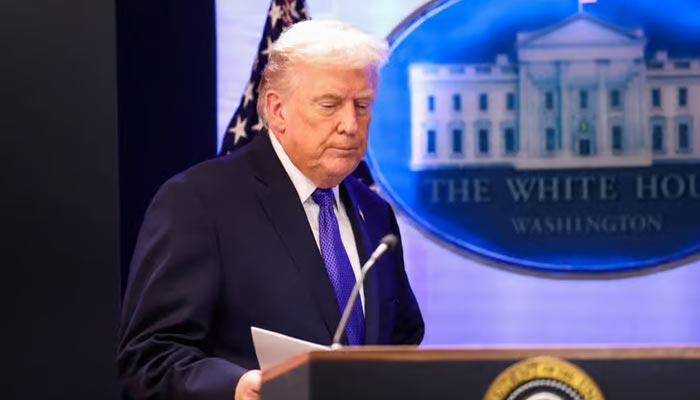
US Announces Fresh Tariffs on 60 Trading Partners; India Faces 10% ‘Forced Labour’ Duty
The United States on Thursday unveiled a new tariff regime targeting 60 trading partners, replacing the temporary 10% global tariff introduced earlier this year by President Donald Trump. The revised duties, announced by the Office of the US Trade Representative (USTR), will take effect from 12:01 am Eastern Time on Friday.
The new tariff structure imposes duties ranging from 10% to 12.5% and will apply to goods accounting for 99.4% of US trade, according to a USTR fact sheet.
- India Placed in Lower 10% Tariff Slab
- India has been assigned the 10% tariff category, lower than the 12.5% rate applicable to several other countries.
According to officials cited by ANI, India was initially expected to face a 12.5% tariff, but was moved to the lower bracket following discussions with the US on trade practices. Other economies in the 10% category include Canada, the United Kingdom and the European Union.
Meanwhile, China, Japan and several other countries will be subject to the higher 12.5% tariff, US officials said.
US Links Tariffs to Forced Labour Measures
The Trump administration said the new duties are aimed at encouraging trading partners to strengthen action against forced labour.
Announcing the decision, US Trade Representative Jamieson Greer said:
“The United States has had a forced labor import ban for nearly a century and rigorously enforces it. It’s well past time for our trading partners to do the same.”
According to the USTR, countries with stronger prohibitions against forced labour have been placed in the lower tariff category.
What Is Covered?
The new tariffs replace the temporary universal duty introduced earlier this year after the administration adopted a revised legal framework following a Supreme Court ruling that invalidated several previous tariff measures.
However, the latest tariffs do not apply to:
Products already subject to sector-specific duties, such as steel and aluminium.
Goods imported under the US-Mexico-Canada Agreement (USMCA).
More Tariffs Could Follow
The Trump administration said the measures are based on a months-long investigation and have been structured to withstand legal scrutiny.
In addition, Washington is investigating 16 economies over concerns about excess industrial capacity. Those inquiries could pave the way for another round of tariffs in the future.
Comments are closed.