
Washington Tightens Iran Port Blockade with Massive Military Push; Lebanon Ceasefire Takes Effect

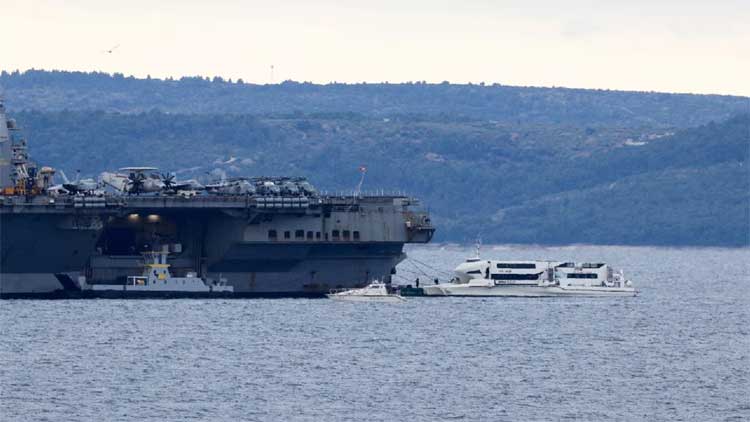
Amid growing anticipation over the next round of talks between United States and Iran, US President Donald Trump said the conflict is going “swimmingly” and could “end pretty soon.” He made the remarks during an event in Las Vegas.
Trump indicated that fresh negotiations could take place as early as the weekend, raising hopes of a breakthrough. He also claimed Iran had signalled willingness to refrain from pursuing nuclear weapons for more than 20 years—an issue that remained a major sticking point during recent talks in Islamabad. While Washington reportedly proposed a 20-year pause on Iran’s nuclear programme, Tehran is said to have countered with a shorter, five-year timeline.
“We’re going to see what happens. But I think we’re very close to making a deal with Iran,” Trump told reporters outside the White House.
The war, which began on February 28 following a US-Israeli strike, has claimed thousands of lives and triggered a surge in global oil prices—posing economic and political challenges for Washington.
Fragile Israel-Lebanon Ceasefire
Meanwhile, a 10-day ceasefire between Israel and Lebanon came into effect on Thursday after intense cross-border strikes caused heavy casualties and destruction.
The truce sparked celebrations in Beirut, where gunfire and fireworks lit up the night sky as it began. However, the situation remains tense.
The Lebanese Army accused Israel of violating the ceasefire shortly after it took effect, reporting intermittent shelling in southern villages. Israel’s military has not issued an immediate response but earlier said its forces would remain deployed, citing continued activity by Hezbollah.
The ceasefire is seen as a crucial step that could influence broader regional negotiations, including efforts to stabilise the situation with Iran and reopen the strategically vital Strait of Hormuz.
Despite cautious optimism, both diplomatic and ground realities suggest the path to lasting peace remains uncertain.
Comments are closed.