
US Leaves UN Climate Architecture as Trump Targets ‘Radical’ Climate Policies

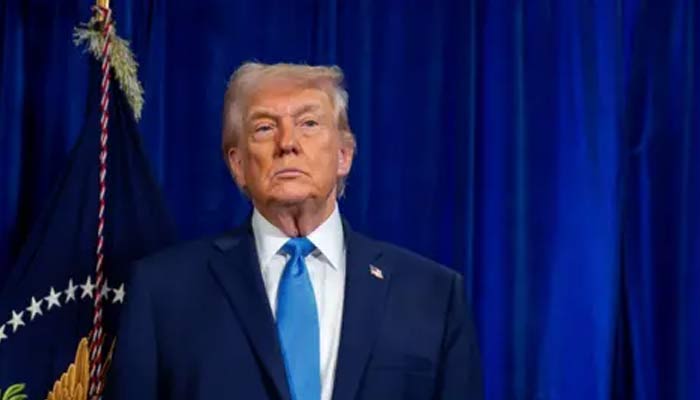
US President Donald Trump has signed an executive order withdrawing the United States from key international climate bodies, including the UN Framework Convention on Climate Change (UNFCCC)
The 1992 treaty that underpins global climate cooperation — and the Intergovernmental Panel on Climate Change (IPCC). Trump said the organisations promote “radical climate policies” and forms of global governance that he argued no longer serve US interests. He also claimed that American taxpayers have spent billions of dollars supporting international climate treaties and institutions.
Climate scientists and policy experts contest that view. Research shows that international cooperation under the UNFCCC, particularly through the Paris Agreement, has had a measurable impact on limiting global warming. Without coordinated climate action, global temperatures were projected to rise by about 3.6°C by 2100. Current national pledges have reduced that projection to around 2.7°C.
The decision comes amid growing climate impacts within the United States itself. Climate-driven wildfires in California have displaced more than 100,000 people in recent years, destroying homes and infrastructure and causing billions of dollars in damage.
Experts warn that withdrawing from global climate institutions could weaken international efforts to cut emissions, reduce access to shared climate science, and diminish the US role in shaping global climate policy — even as extreme weather events become more frequent and severe.
Comments are closed.