
US Rolls Back Carbon Emission Limits on Coal- and Gas-Fired Power Plants

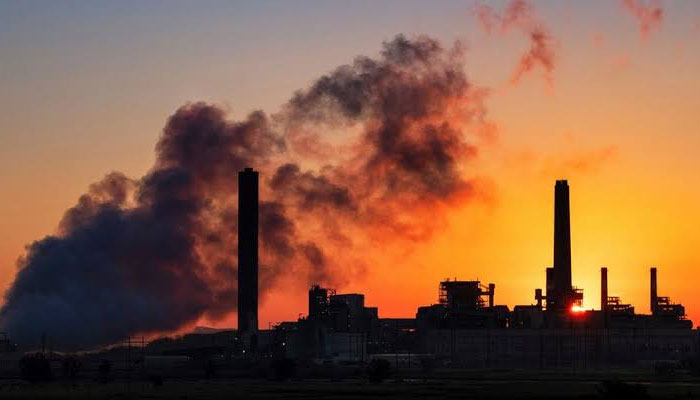
The Donald Trump administration has moved to dismantle federal limits on carbon emissions from coal- and gas-fired power plants, reversing key climate regulations introduced under former President Joe Biden.
The Environmental Protection Agency announced the changes during the G20 energy ministers’ meeting in Houston. The move repeals Biden-era standards for greenhouse gas emissions from existing coal plants and new gas-fired plants while proposing a broader rollback of future federal regulation of carbon emissions from the power sector.
EPA Administrator Lee Zeldin said the Biden administration had imposed rules that threatened the country’s coal industry and energy affordability. He said the Trump administration was focused on ensuring Americans had access to reliable and affordable electricity.
The Biden-era rules, finalised in 2024 under the Clean Air Act, required power plants to significantly reduce carbon dioxide emissions over time. For some facilities, compliance could have involved carbon capture and storage technology capable of cutting emissions by as much as 90%.
The EPA has now concluded that the standards were too difficult and costly for power plants to meet within the prescribed deadlines.
EPA SEEKS TO LIMIT FUTURE REGULATION
The administration’s latest action goes beyond repealing the 2024 standards.
The EPA has proposed a broader interpretation under which the agency would not regulate greenhouse gas emissions from the power sector. The proposal argues that such regulation would have limited impact on global climate change even if the agency had the legal authority to impose it.
The proposal follows the administration’s February decision to overturn the 2009 Endangerment Finding, a scientific and regulatory determination that greenhouse gases pose a threat to public health and welfare.
The EPA estimates that repealing the Biden-era power-plant rules would save about $310 billion, while the proposed broader change could result in an additional $370 million in savings.
ENVIRONMENTAL GROUPS PLAN LEGAL CHALLENGES
Environmental organisations have strongly criticised the rollback and indicated that they are prepared to challenge the administration’s actions in court.
Critics argue that eliminating federal carbon standards could increase greenhouse gas emissions and weaken efforts to address climate change. They also say the administration’s legal reasoning behind the different components of the rollback could face scrutiny in court.
Legal experts have pointed to what they describe as differences between the EPA’s justification for repealing the existing rules and its argument that the agency lacks authority to regulate power-sector greenhouse gas emissions.
The outcome could ultimately depend on how federal courts interpret the Clean Air Act and the EPA’s authority over greenhouse gas emissions.
TRUMP’S BROADER CLIMATE POLICY REVERSAL
The power-sector action is the latest in a series of environmental policy changes under Trump.
His administration has moved to withdraw the United States from the Paris climate agreement again and has sought to reverse federal greenhouse gas standards for vehicles.
The rollback comes as scientists continue to report rising global temperatures and increasing climate-related risks. Supporters of the administration’s approach argue that easing environmental regulations will strengthen US energy production and reduce costs, while environmental groups warn that weaker emissions controls could increase pollution and climate risks.
Comments are closed.