
Venezuela Pushes Amnesty Bill, Opening Door to Mass Release of Political Prisoners

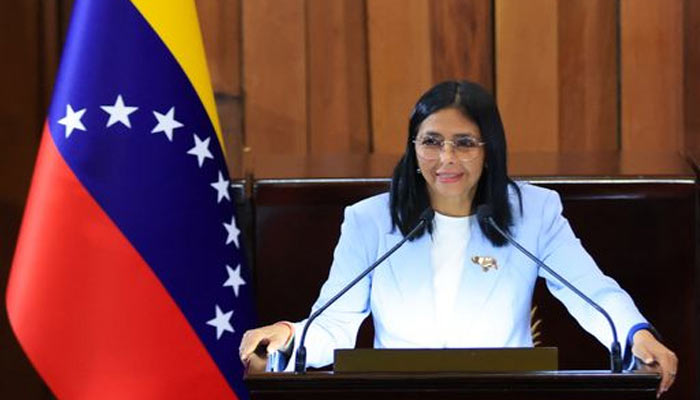
Venezuela’s National Assembly on Thursday moved forward an amnesty bill proposed by acting President Delcy Rodríguez that could result in the release of hundreds of political detainees, including opposition figures, journalists and human rights activists.
The proposed law, long demanded by the opposition and international rights groups backed by the United States, has triggered cautious optimism. However, the government has not disclosed the bill’s full text, prompting concerns over transparency and the criteria that will govern who qualifies for amnesty.
The legislation was introduced weeks after the US military captured former President Nicolás Maduro. It still requires a second parliamentary debate before final approval and must then be signed by Rodríguez to take effect. In announcing the proposal last month, Rodríguez said the ruling party-controlled legislature would prioritise the bill, framing it as a step toward national reconciliation after years of political conflict.
“May this law help heal the wounds caused by political confrontation driven by violence and extremism,” she said in a televised address to senior officials and military leaders. Human rights organisations have urged the government to make the bill public immediately, warning that some political prisoners could be excluded without clear safeguards.
PROVEA, a leading Venezuelan human rights group, said transparency was essential given the bill’s potential impact on victims’ rights and the broader justice system. Preliminary reports suggest the amnesty would cover politically related cases dating back to 1999, spanning the presidencies of Hugo Chávez and Nicolás Maduro, while excluding individuals convicted of murder, drug trafficking and serious human rights violations.
Rights advocates say the final wording and implementation of the law will be crucial in determining whether it delivers meaningful relief for political detainees.
Comments are closed.