
Viral sleep trends reveal a deeper truth — the world is running on exhaustion

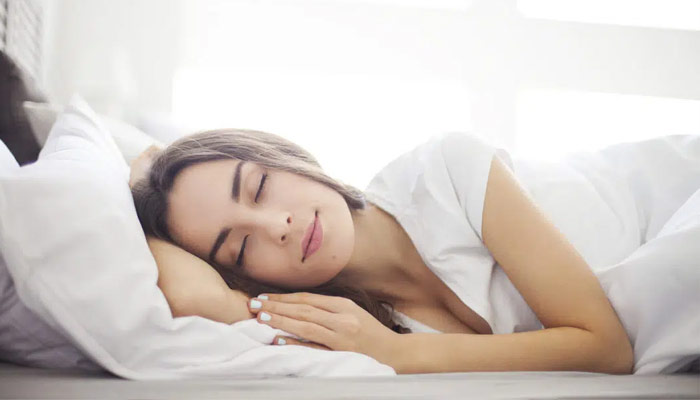
Sleep has gone viral — again. From “potato beds” stuffed with plushies to “sleepy girl mocktails,” “dark showers,” and even “mouth taping,” the internet’s latest trends are all about one thing: trying to fix our collective exhaustion.
The sleep crisis behind the trends
The rituals may look harmless — herbal teas, dim lights, calming music — but experts say they reflect something deeper. “These sleep hacks are symptoms of a wider problem,” says Dr. Bipan Kumar Sharma, neurologist at Kailash Deepak Hospital, Delhi. “People are struggling with sleep because of chronic stress, irregular schedules, and excessive screen time. Instead of addressing the cause, they’re looking for shortcuts.”
In India alone, 61% of people get less than six hours of uninterrupted sleep, and nearly one-third experience severe dyssomnia — difficulty falling or staying asleep.
TikTok’s quick fixes
The “potato bed” trend — where users tuck pillows and plush toys under fitted sheets to mimic a cuddle — claims to boost serotonin and calm the brain. Others swear by the “military sleep method,” a breathing and visualisation technique said to help soldiers sleep under stress.
Then there’s “dark showering,” which involves bathing in near-darkness to cue the brain for rest, and “mouth taping,” meant to encourage nasal breathing. The “sleepy girl mocktail” — a viral mix of tart cherry juice, magnesium powder, and sparkling water — promises natural melatonin support.
Most of these hacks might offer comfort, but not necessarily better sleep. “They give people a sense of control,” says Dr. Sharma. “But sleep hygiene is about consistency — fixed bedtime, limited screens, and balanced lifestyle — not trends.”
A tired generation
It’s not just adults. Children and teens are also losing sleep. “Excessive screen exposure suppresses melatonin — the sleep hormone,” says Dr. Puja Kapoor, paediatric neurologist and co-founder of Continua Kids. “We’re seeing children as young as three struggle with insomnia.”
She recalls treating a toddler with autism who couldn’t fall asleep for hours. “Melatonin syrup helped temporarily, but over time his natural rhythm returned. The key is structure and reduced screen time, not lifelong medication.”
Why rest feels unreachable
The modern “hustle culture” glorifies productivity over recovery. “People wear sleeplessness as a badge of honour,” says Dr. Rituparna Ghosh, psychologist at Apollo Hospitals, Navi Mumbai. “But burnout and anxiety are now at epidemic levels. Poor sleep worsens both.”
Doctors warn that chronic sleep loss increases the risk of migraines, obesity, depression, and diabetes — a silent but serious health crisis.
A wake-up call
The post-pandemic world blurred the line between work, rest, and screen time. Phones replaced bedtime rituals, and even children learned to scroll themselves to sleep. Experts believe the solution isn’t in another TikTok hack, but in relearning the basics: dim the lights, unplug early, and value sleep as much as ambition.
Because every viral trend — from potato beds to mocktails — is saying the same quiet thing: we’re not just tired. We’re exhausted, and we’ve forgotten how to rest.
Comments are closed.