
Weeks Before Air India Crash, Parliamentary Panel Warned of Gaps in Aviation Security Funding

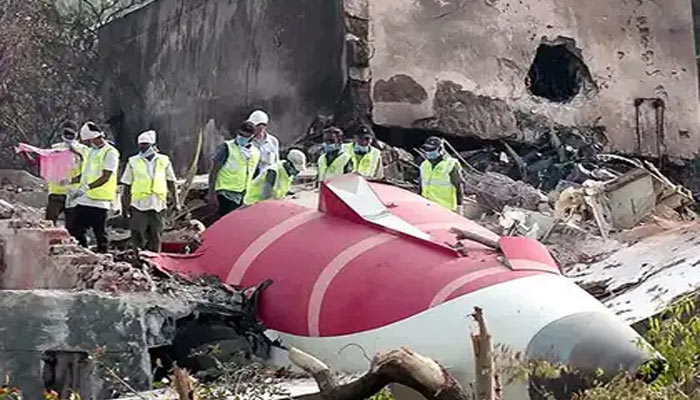
Air India Crash Puts Spotlight on Aviation Safety Budget Gaps, Manpower Shortages: Parliamentary Report.
The Air India crash in Ahmedabad has renewed scrutiny of the country’s aviation safety mechanisms, as a Parliamentary committee report tabled in March flagged serious gaps in funding and staffing for critical aviation bodies.
India, now the world’s third-largest aviation market, allocated just ₹35 crore in the 2025–26 Union Budget for aviation security infrastructure and accident investigation—a figure the committee termed inadequate, especially in light of the sector’s rapid expansion.
Funding Disparity Among Key Aviation Bodies
The report of the Department-related Parliamentary Standing Committee on Transport, Tourism, and Culture, presented in the Rajya Sabha on March 25, 2025, noted a skewed allocation of funds to three key institutions:
- Directorate General of Civil Aviation (DGCA): ₹30 crore
- Aircraft Accident Investigation Bureau (AAIB): ₹20 crore
- Bureau of Civil Aviation Security (BCAS): ₹15 crore
The DGCA received nearly half of the total outlay, while AAIB and BCAS—responsible for accident investigations and aviation security—were given significantly less. The committee said this “distinct imbalance” calls for a review to ensure effective resource deployment and institutional accountability.
AAIB Investigating Ahmedabad Crash
The AAIB is currently investigating the tragic crash of Air India flight AI 171—a Boeing 787 Dreamliner en route to London—which crashed into a medical college campus shortly after takeoff. The crash claimed the lives of 241 of the 242 people on board, as well as 29 people on the ground, including five MBBS students.
The committee observed that such incidents underscore the need to urgently strengthen investigative capacity and infrastructure.
Mismatch Between Aviation Growth and Safety Investment
The report warned that while India’s aviation infrastructure is expanding rapidly—from 74 airports in 2014 to 147 in 2022, with a projected target of 220 by 2025—investments in safety and security systems have not kept pace.
“As aviation expands into Tier II and III cities under the UDAN scheme, it is essential to proportionally extend accident investigation resources and security infrastructure,” the committee stated.
Severe Staff Vacancies Hampering Oversight
In addition to funding gaps, the committee flagged alarming manpower shortages in key aviation bodies. According to the 375th Report on Demands for Grants (2025–26) of the Ministry of Civil Aviation:
53% of sanctioned posts in DGCA remain vacant
35% of positions in BCAS are unfilled
17% of roles in the Airports Authority of India (AAI) are vacant
These shortfalls, the committee noted, are undermining the operational efficiency and effectiveness of aviation regulation, security enforcement, and infrastructure management.
Urgent Need for Reform
The panel recommended a reassessment of financial allocations and a concerted effort to fill staffing gaps across aviation bodies. It emphasized that with passenger numbers and infrastructure on the rise, safety and investigative capacity must be treated as national priorities—not afterthoughts.
Comments are closed.