
Where the Sun Meets Stone: Egypt’s Ancient Temple That Glows at Sunrise

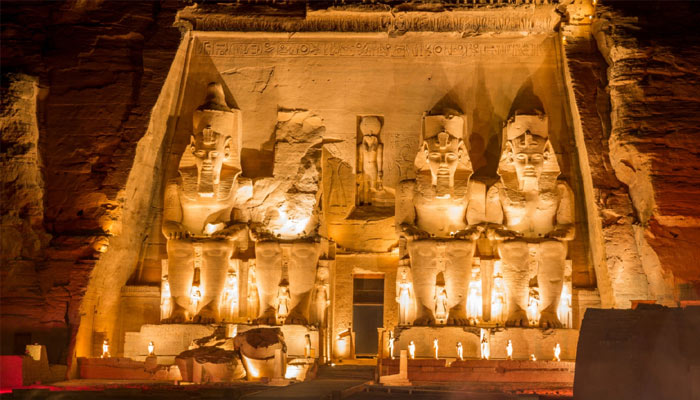
Abu Simbel at Sunrise: Egypt’s Timeless Solar Spectacle
Carved into a sandstone cliff in the 13th century BCE, the monumental statues of Ramses II stand as silent guardians of Abu Simbel, their gaze welcoming the dawn. Towering 20 metres high, these four colossal figures are flanked by smaller statues of family and gods, embodying the pharaoh’s divine authority. Twice a year—on February 22 and October 22—the rising sun aligns perfectly with the temple entrance, illuminating the inner sanctuary in a ritual that has mesmerized visitors for millennia. Arrive before sunrise to witness the temple awaken in quiet, golden splendour.
As sunlight floods the 60-metre corridor of the Great Temple, it strikes three seated statues: Ramses II deified, Amun, king of the gods, and Ra-Horakhty, the sun god. Ptah, god of creation and darkness, remains in shadow—a deliberate design of astonishing precision. This 3,200-year-old alignment is a masterclass in ancient Egyptian architecture and astronomy, celebrating the pharaoh’s divine connection. Seeing it in person is a moving, unforgettable experience.
The Sun Festival brings this ancient wonder to life. Thousands gather to witness the celestial alignment, while rhythmic drumming, chants, and Nubian dances recreate age-old rituals. The festival blends reverence and celebration, with sunlight bathing the inner sanctuary for roughly 20 minutes, connecting history, culture, and community in a singular desert moment.
Outside the temple, Nubian heritage thrives. Colorful stalls offer handicrafts, jewelry, textiles, and traditional foods like koshari, kebabs, and pastries. Visitors can explore Abu Simbel village, with its domed homes and warm hospitality, turning the festival into a living bridge between past and present.
After sunset, the temples glow in the evening sound-and-light show, narrating the stories of Ramses II and Egypt’s gods. Beams highlight intricate carvings, while Lake Nasser shimmers in the background, extending the day’s magic into the night.
Reaching Abu Simbel is simple: a 45-minute flight or a scenic 3.5-hour drive from Aswan. Lodging ranges from Nubian guesthouses to resorts like Seti Abu Simbel, but booking well in advance is crucial. Visitors should arrive early for the sunrise alignment, dress in layers, and bring sunscreen, water, and snacks. Combine your trip with a Nile cruise or a visit to Luxor for a deeper Egyptian journey.
The Abu Simbel Sun Festival is more than a tourist event—it’s a meeting of human ingenuity and cosmic rhythm. When sunlight touches the faces of deities and kings after three millennia, travelers are reminded of Egypt’s enduring cultural and architectural brilliance. Whether in February’s crisp air or October’s golden warmth, witnessing Abu Simbel at sunrise is a pilgrimage into history, a moment that stays with you long after the desert light fades.
Comments are closed.