
World Conservation Body Flags 48,646 Species at Risk of Extinction

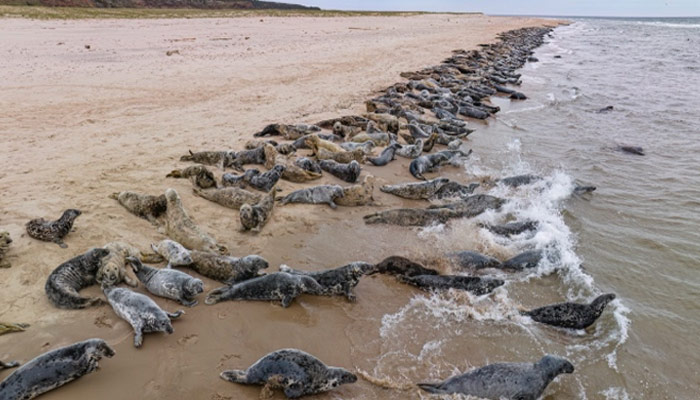
Arctic seals and bird populations are facing increasing threats due to climate change and human activity, according to the latest update from the International Union for Conservation of Nature (IUCN) released on Friday.
The IUCN reported that habitat loss caused by logging and agricultural expansion is a major threat to birds, while seals are particularly at risk from global warming and human activities, including maritime traffic, industrial fishing, oil extraction, and hunting. The hooded seal’s conservation status has been upgraded from vulnerable to endangered, while bearded and harp seals are now listed as near threatened.
“This global update highlights the growing impact of human activity on nature and climate, and the severe consequences it brings,” said IUCN Director General Grethel Aguilar at the World Conservation Congress in Abu Dhabi.
The IUCN Red List now includes 172,620 species, with 48,646 classified as threatened with extinction. Arctic regions are particularly vulnerable, with global warming occurring four times faster than the global average, drastically reducing sea ice cover. Ice-dependent seals, crucial to the food web, play a key role in consuming fish and invertebrates and recycling nutrients, making them keystone species. Kit Kovacs from the Norwegian Polar Institute noted rapid changes in the Svalbard archipelago, where areas that previously had five months of sea ice are now ice-free in winter.
Bird populations are also in decline. The IUCN’s assessment of 11,185 bird species shows that 61% have decreasing populations, up from 44% in 2016, with 1,256 species (11.5%) globally threatened. Tropical forest destruction is a growing concern, with Madagascar seeing 14 species newly classified as near threatened and three as vulnerable. Similar threats were noted in West Africa and Central America.
The report also highlighted a conservation success: the green turtle, which has recovered by 28% since the 1970s due to sustained conservation efforts, is no longer classified as endangered. Nicolas Pilcher, Executive Director of the Marine Research Foundation, cautioned that such successes should encourage continued action rather than complacency.
The update underscores the urgent need for global efforts to protect endangered species, preserve biodiversity, and mitigate the accelerating impacts of climate change and human interference on fragile ecosystems.
Comments are closed.