
Yunus Govt’s ‘Yes’ Referendum Faces Scrutiny Over Alleged Bank Meetings, CSR Funding and Unregistered NGOs

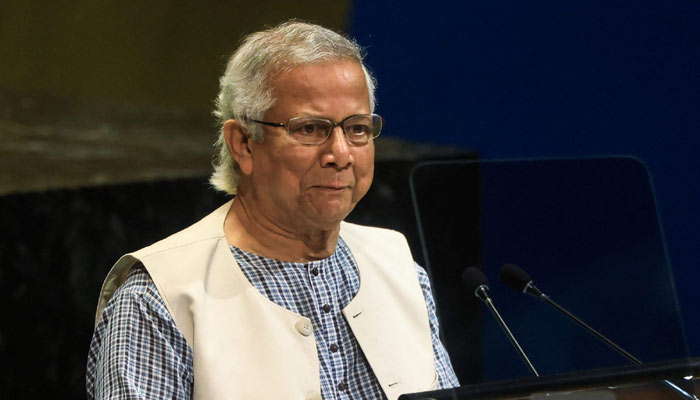
Bangladesh’s 2026 ‘Yes’ referendum campaign, held under the interim administration of Mohammad Yunus ahead of the general election, is facing legal scrutiny.
After allegations surfaced that state institutions, banking-sector funds and unregistered organisations were used to influence the vote. A Supreme Court lawyer has sent a legal notice demanding an investigation into what he describes as the misuse of public money and regulatory mechanisms to support the pro-‘Yes’ campaign.
According to the notice, a copy of which is in possession of News18, advocate Aslam Mia—through barrister Sanaullah Nore—has alleged that government bodies and financial institutions coordinated funding and promotional activity linked to the referendum campaign.
The notice, dated May 7, has been addressed to top constitutional and regulatory authorities, including the Cabinet Secretary, Bangladesh Bank Governor, Chief Election Commissioner and Anti-Corruption Commission chairman, seeking an inquiry within 15 days.
Allegations over banking-sector funds
The notice alleges that Bangladesh Bank and the Association of Bankers, Bangladesh (ABB) facilitated funding for organisations involved in campaigning for the ‘Yes’ vote. It claims that nearly Tk 3.7 crore was distributed among three organisations—Sushashoner Jonno Nagorik (SHUJAN), Students Against Discrimination (SAD) Foundation and Debate for Democracy—for campaign-related activities.
It further alleges that the issue was discussed during a bankers’ meeting on January 11, where support for the referendum campaign was raised despite not being part of the official agenda. The presence of officials from the Financial Institutions Division at the meeting has also been flagged as unusual in the notice.
CSR funding under scrutiny
The legal notice also raises concerns over the alleged use of corporate social responsibility (CSR) funds from banks, arguing that such expenditures violate Bangladesh Bank guidelines. CSR allocations in the banking sector are typically reserved for education, healthcare, climate initiatives and social welfare programmes—not political or referendum-related activity, the notice states.
It further alleges that banks were later directed through administrative channels to contribute to campaign spending linked to the referendum.
Questions over NGO registration and compliance
The notice specifically highlights the Students Against Discrimination Foundation, claiming it was unregistered when funding proposals were first discussed. It alleges that although a larger funding request was initially rejected, a smaller amount was later approved after the organisation secured registration within a short time.
The document also claims that inspection teams were unable to verify a functioning office or complete documentation for fund utilisation.
Alleged government expenditure
Beyond banking-sector involvement, the notice alleges that around Tk 142 crore was spent by six ministries and the Election Commission to promote the ‘Yes’ campaign. It describes the spending as “unauthorised” and beyond the mandate of the interim administration, calling for a formal investigation.
Referendum context
The 2026 ‘Yes’ referendum, held on February 12, approved the July National Charter 2025 with 68.26% support. The non-binding vote followed the political transition after the 2024 upheaval in Bangladesh.
The Charter proposes 84 reforms, including 47 constitutional amendments aimed at introducing a bicameral legislature, limiting prime ministerial terms, and strengthening independent institutions. While the Bangladesh Nationalist Party (BNP) supported the ‘Yes’ campaign and signed the Charter in October 2025, it has since raised objections to several provisions.
The legal allegations have now added fresh controversy to Bangladesh’s ongoing political transition and the conduct of its referendum process.
Comments are closed.