
Think Your Watermelon Is Real? 5 Easy Ways To Spot Adulteration Of The Fruit At Home

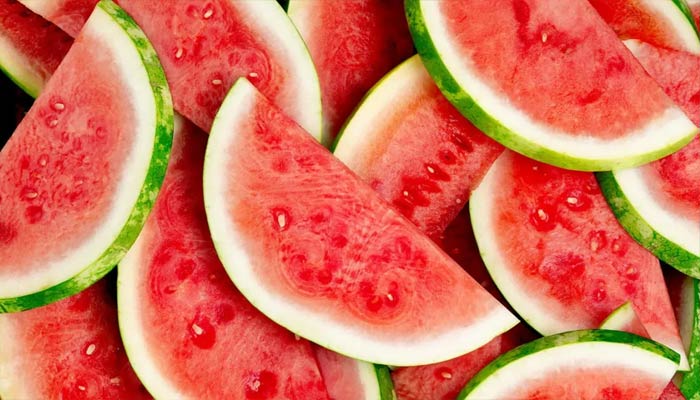
Apart from juicy mangoes, another fruit that makes summer absolutely worth it are watermelons.
Watermelons make for a great hydration choice in summers as it is loaded with essential vitamins and antioxidants. As the season’s first watermelons make their way to the market, there are chances of adulteration and artificial ripening to meet the growing demand.
While you get home a juicy watermelon this summer, here are five easy ways to check if a watermelon is real or fake (pure or chemically ripened) at home.
Look at the Colour and Pattern – A real watermelon has a uniform, dark green skin with defined stripes or spots. The colour should not look overly shiny or unnaturally vibrant. An unnaturally glossy watermelon could be waxed or painted to look fresh.
Examine the Field Spot – Look for a creamy yellow or orange field spot—this is the side the watermelon rested on the ground while ripening in the sun. A deep yellow spot usually means the watermelon is naturally ripened. A white or absent field spot may indicate premature harvesting or artificial ripening.
The Tap Test- Gently tap the watermelon. A ripe and natural melon gives off a deep, hollow sound. A dull sound may indicate it’s overripe or artificially filled.
Check for Injection Marks or Cracks – Inspect the surface for tiny pinholes, needle marks, or cracks, especially near the base or stem area. Injection marks indicate that the watermelon has been injected with chemicals and artificial sweeteners.
The Water Test – Cut a small piece of the red flesh and drop it in a glass of water. If the water quickly turns pink or red, the fruit may be artificially coloured with unsafe synthetic dyes.