
US Set to Receive Russian Diesel for First Time Since 2023 as Three Tankers Sail Under Trump-Putin Deal

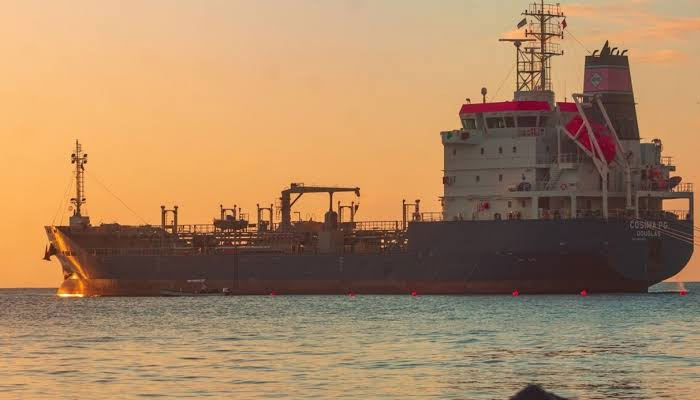
Russian Diesel Returns to US After Three Years as Three Tankers Sail Under Trump-Putin Agreement
Three tankers carrying Russian diesel have departed from Primorsk, a major Russian port, bound for North America in what is being described as the first such shipment to the United States since 2023. Russian Deputy Prime Minister Alexander Novak confirmed the development as Moscow prepares to restart diesel supplies to the American market under a reported agreement between US President Donald Trump and Russian President Vladimir Putin.
The shipment comes around two weeks after Trump announced a diesel supply arrangement following a telephone conversation with Putin. The move is reportedly intended to increase fuel availability in the United States as the administration faces pressure over energy prices ahead of the midterm elections.
“The first three fuel tankers are already on their way to the eastern coast of the Atlantic Ocean, with significant support from the RDIF (Russian Direct Investment Fund),” Reuters quoted Novak as saying. Marine intelligence firm Kpler reported that one of the tankers indicated New York as its destination on Friday and was expected to arrive on November 7, according to the Associated Press.
Three Tankers Carry Around 40,000 Tonnes of Diesel
The first consignment consists of approximately 40,000 metric tonnes of diesel, equivalent to nearly 300,000 barrels, distributed across three tankers. Russia’s Interfax news agency reported the figures, citing Novak. According to the Associated Press, the shipment is equivalent to approximately 7 per cent of the four million barrels of diesel consumed daily in the United States.
Novak had earlier indicated that Russian companies could supply 500,000 metric tonnes of diesel to the American market in October. Trump had also announced plans for an immediate delivery of more than 300,000 tonnes, followed by an additional 500,000 tonnes in November and one million tonnes thereafter.
Kremlin spokesperson Dmitry Peskov confirmed that the initial tanker had departed for its customers, adding that regular deliveries were expected to follow. The proposed shipments could supplement American fuel supplies, although their eventual impact on prices will depend on delivery volumes, demand and wider market conditions.
Russian Fuel Deal Sparks Criticism in Washington and Kyiv
The reported agreement has triggered criticism in both the United States and Ukraine, with concerns emerging over renewed energy trade with Russia while the war in Ukraine continues. Ukrainian President Volodymyr Zelensky criticised the move, calling it a “weak decision by strong partners”. Lawmakers from both major American political parties have also voiced objections to the arrangement.
The development marks a significant shift in the approach to Russian energy supplies, particularly as Washington continues to weigh economic pressure on Moscow against domestic fuel requirements. Last month, Trump signed a sanctions package into law that included provisions for tariffs of up to 100 per cent on major buyers of Russian energy. The measures were subsequently put on hold.
The diesel agreement has therefore raised questions about how the administration will balance its sanctions strategy with efforts to manage fuel prices and maintain diplomatic engagement with Russia.
Trump-Zelensky Tensions Add to Diplomatic Uncertainty
The shipment comes amid strained relations between Trump and Zelensky over the prospects for ending the Russia-Ukraine war. Trump has accused the Ukrainian president of not wanting to end the conflict, while Kyiv continues to seek international support in confronting Russia.
The renewed diesel trade adds another layer to the complex relationship between Washington and Moscow, with implications for energy markets, sanctions policy and international diplomacy. Whether the deliveries will continue at the proposed scale, and how the arrangement will affect US fuel prices and relations with Ukraine, remains uncertain.
Comments are closed.