
Reversing Fatty Liver: How Diet and Early Detection Can Make the Difference

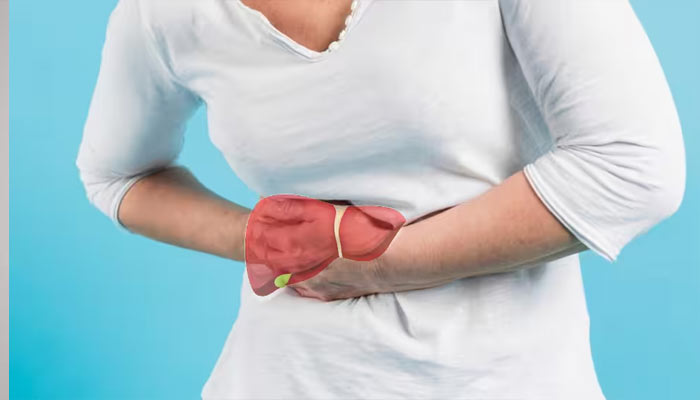
Can Fatty Liver Be Reversed? Yes — With Diet and Timely Diagnosis.
Fatty liver disease — medically known as hepatic steatosis — is becoming one of the most common silent health threats worldwide. Characterized by excessive fat accumulation in the liver, it’s closely tied to modern lifestyle factors like unhealthy eating, obesity, and inactivity. But the good news: caught early, fatty liver disease can not only be managed but even reversed — and the key lies in your diet.
Understanding Fatty Liver Disease
There are two main types of fatty liver disease:
Alcoholic fatty liver disease (AFLD), caused by excessive alcohol use
Non-alcoholic fatty liver disease (NAFLD), which now affects a growing number of people — including children — due to poor dietary habits, sedentary lifestyles, and metabolic disorders like obesity and type 2 diabetes.
Often, fatty liver has no symptoms at first, making early detection critical.
Why Early Detection is Crucial
Since fatty liver often develops silently, regular check-ups for those at risk are essential. Blood tests, liver ultrasounds, and FibroScan imaging can detect fat accumulation before serious damage occurs. Identifying the condition early allows for lifestyle changes that can reverse liver fat build-up before it progresses to permanent scarring or cirrhosis.
Food as the First Line of Treatment
One of the most effective treatments for fatty liver disease is not found in a pill — but on your plate. Dietary changes can reduce liver fat, lower inflammation, and restore liver function. Here’s what works:
✅ What to Eat More Of:
Whole plant foods: Leafy greens, fruits, legumes, and whole grains supply fiber and antioxidants.
Healthy fats: Omega-3s from fish, flaxseeds, and walnuts help reduce inflammation and liver fat.
Lean proteins: Chicken, tofu, lentils, and fish support muscle and liver repair.
🚫 What to Limit or Avoid:
Sugary foods and drinks: These increase fat buildup in the liver.
Refined carbs: White bread, pastries, and processed snacks raise insulin resistance.
Saturated and trans fats: Found in fried and packaged foods, they worsen liver inflammation.
It’s Not Just Diet — Lifestyle Counts Too
Combining diet with other healthy habits accelerates recovery:
Exercise: At least 30 minutes of moderate activity 5 times a week can reduce liver fat.
Weight management: Even a 5–10% weight loss can make a big difference in liver health.
Sleep & stress: Poor sleep and chronic stress disrupt metabolism and contribute to liver disease.
The Bottom Line
Fatty liver disease is common, but it’s not a life sentence — especially when caught early. With simple but consistent changes in diet and lifestyle, most people can not only stop the disease from progressing but actually reverse it.
When it comes to liver health, prevention really is better than cure — and it often starts with what’s on your plate.
Comments are closed.