
Only Legislature Can Remove Judges, Not Courts: Varma Argues in Supreme Court

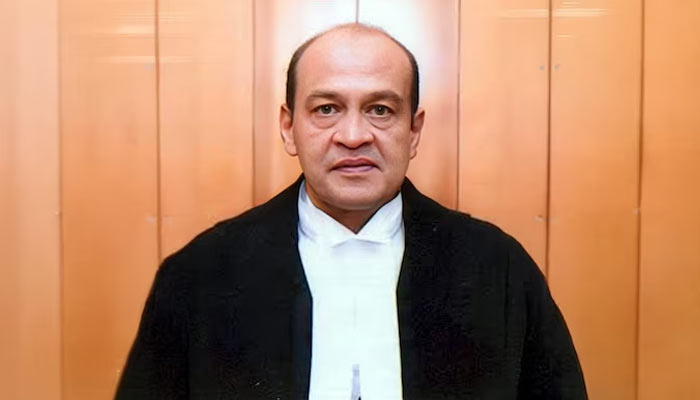
Justice Yashwant Varma Moves SC Against Removal Bid, Calls In-House Inquiry Unconstitutional.
Justice Yashwant Varma has filed a petition in the Supreme Court challenging the recommendation of his removal by an in-house inquiry panel. The move follows a controversy earlier this year after charred currency notes were found at his official residence in New Delhi.
In his plea, Justice Varma argues that only Parliament has the authority to remove a judge, through the due process of impeachment outlined in the Judges (Inquiry) Act, 1968. He called the in-house panel’s recommendation and the Chief Justice of India’s (CJI) letter to the President and Prime Minister “unconstitutional” and a violation of judicial independence.
Key Claims in Justice Varma’s Petition
Overreach by Judiciary: Varma says the judiciary is stepping into legislative territory by recommending a judge’s removal—violating the Constitution’s separation of powers. No Due Process: He claims the in-house procedure bypasses the legal safeguards meant to protect judges, especially in the absence of any formal complaint against him.
Threat to Judicial Independence: The petition warns that internal mechanisms without legislative sanction could concentrate unchecked disciplinary power within the judiciary, weakening public trust. Violation of Rights: Releasing the internal inquiry report publicly amounted to a “media trial,” damaging his reputation without a fair hearing.
Quoting the C. Ravichandran Iyer v Justice AM Bhattacharjee precedent, the plea says the in-house process cannot substitute formal proceedings that establish “proved misbehaviour,” which is necessary for impeachment under Article 124(4).
Varma also contests the idea that the CJI or Supreme Court holds any disciplinary authority over High Court judges, calling such moves unconstitutional and beyond the judiciary’s mandate.
What Justice Varma Seeks
Justice Varma has requested the Supreme Court to declare the CJI’s recommendation invalid, and to rule that any attempt to remove a judge without parliamentary process infringes on constitutional safeguards. “The Constitution does not give the CJI or the Supreme Court any power to discipline or remove judges of the High Courts. Allowing such in-house procedures to bypass Parliament undermines both judicial independence and constitutional order,” the petition concludes.
Comments are closed.