
Cardiologist Lists 6 Heart Attack Warning Signs You Must Not Ignore — From Breathlessness to Indigestion

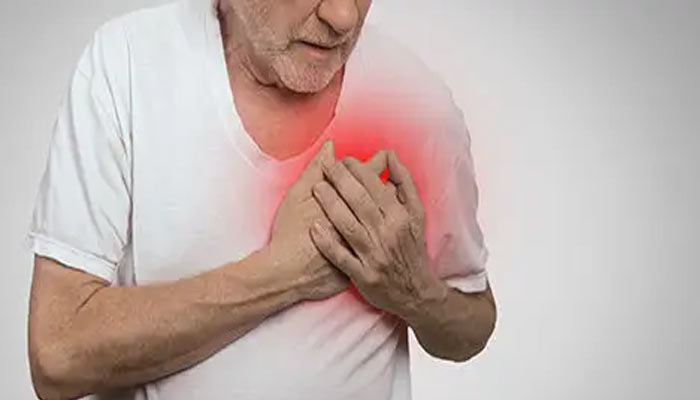
Heart Attack Warning Signs You Shouldn’t Ignore — And the Blood Test That Could Save Your Life.
Coronary heart disease (CHD) remains the leading cause of heart-related deaths worldwide. According to the New York State Department of Health, it claims over 375,000 lives annually in the U.S. alone. In India, the burden is even more concerning. The National Institutes of Health (NIH) reports that India has one of the highest rates of cardiovascular disease globally, with CHD prevalence ranging from 1.6% to 7.4% in rural areas and from 1% to 13.2% in urban populations.
Six Early Warning Signs of a Heart Attack
In light of these alarming figures, cardiologist Dr. Akshay Mahajan recently shared six key symptoms of a heart attack that should never be ignored:
Chest pain or discomfort – Often described as pressure, tightness, or a squeezing sensation in the chest.
- Dizziness or light-headedness – May signal reduced blood flow to the brain.
- Rapid or irregular heartbeat – A fluttering or pounding heart can be an early indicator.
- Shortness of breath – Especially if it occurs while resting or with minimal exertion.
- Cold sweats – Breaking out in a sweat without exertion can be a red flag.
- Stomach discomfort or indigestion – Particularly if accompanied by other symptoms.
- Recognizing these signs early and seeking immediate medical attention can make the difference between life and death.
The Blood Test You Should Ask For: CRP
Beyond traditional cholesterol checks, Dr. Yevgeniy Yaranov, another cardiologist, highlights the importance of a lesser-known but life-saving test — C-reactive protein (CRP).
In a post shared on June 16, Dr. Yaranov explained:
“The blood test that could save your life — and it’s not cholesterol. CRP exposes silent inflammation that damages your arteries before you feel a single symptom. Most people have no idea their CRP is high — until it’s too late.”
CRP is a marker of inflammation in the body, and elevated levels may indicate higher cardiovascular risk — even in people with normal cholesterol. High CRP levels are linked to plaque buildup in arteries, increasing the risk of heart attacks and strokes.
Why CRP Matters
Silent risk: You may feel fine, but inflammation could be quietly damaging your arteries.
Predictive value: CRP can identify risk earlier than traditional tests.
Simple test: Measured through a standard blood test called high-sensitivity CRP (hs-CRP).
Takeaway
Stay informed, listen to your body, and get regular screenings — including CRP if you’re at risk. Early detection and lifestyle changes can significantly reduce the chances of a heart attack.
Comments are closed.