
Iran, EU Hold Istanbul Talks as Nuclear Dispute Raises Threat of Renewed Sanctions

Iran, European Powers Meet in Istanbul as Nuclear Standoff Raises Sanctions Threat
Iranian and European diplomats are set to meet in Istanbul on Friday in a renewed push to resolve the deepening standoff over Tehran’s nuclear program, with the threat of revived UN sanctions looming large.
Delegations from the UK, France, and Germany — the E3 nations — will hold talks at the Iranian consulate in what marks the first formal engagement since Iran’s brief war with Israel in June. That conflict saw U.S. B-52 bombers target three Iranian nuclear-linked sites, sharply escalating regional tensions.
The focus of the Istanbul talks is the possible reimposition of international sanctions lifted under the 2015 nuclear deal. The so-called “snapback” mechanism — which allows UN penalties to return without a Security Council vote — is still being considered, according to a European diplomat.
“A possible delay in triggering snapback has been floated to the Iranians,” the diplomat said, on condition of anonymity. That delay, they said, depends on Iran reengaging with diplomacy, restoring full cooperation with the International Atomic Energy Agency (IAEA), and addressing concerns over its highly enriched uranium stockpile.
European leaders have warned that sanctions will resume by the end of August if Iran fails to take concrete steps to limit its nuclear activities. Iran insists the onus lies with the U.S., which exited the 2015 accord in 2018 under then-President Donald Trump. Tehran says any path forward requires rebuilding trust.
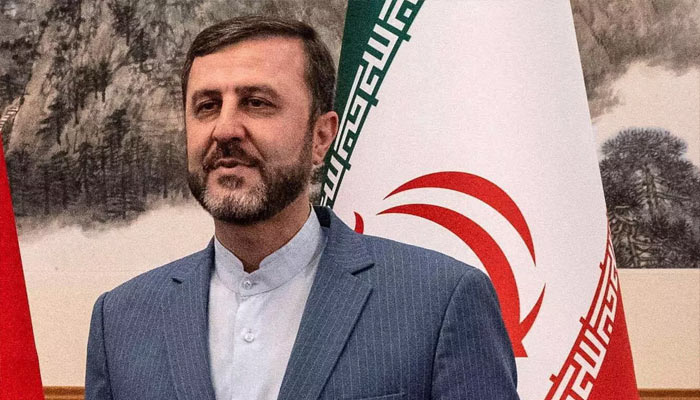
“Iran has absolutely no trust in the United States,” Deputy Foreign Minister Kazem Gharibabadi said Thursday. He called for “rebuilding trust” and warned the Istanbul talks must not become a “platform for hidden agendas such as military action.”
He also reaffirmed Iran’s right to enrich uranium “according to its legitimate needs” and demanded a full removal of sanctions. Iran has repeatedly threatened to leave the Nuclear Nonproliferation Treaty (NPT) if snapback sanctions are reinstated.
Friday’s meeting — held at the deputy minister level — will include Iran’s Majid Takht-e Ravanchi. The E3’s representatives have not been publicly confirmed, though the EU’s deputy foreign policy chief is expected to attend. A previous meeting was held in Istanbul in May.
The nuclear deal, officially known as the Joint Comprehensive Plan of Action (JCPOA), was signed in 2015 by Iran, the U.S., the E3, Russia, and China. Since Washington’s withdrawal, Iran has stepped up uranium enrichment while reducing cooperation with nuclear inspectors.
Tensions have surged since last month’s Israeli and U.S. airstrikes, with Iran accusing European powers of double standards. Foreign Minister Abbas Araghchi said the E3 failed to uphold their commitments while remaining silent on Israel’s actions.
European diplomats maintain they want to avoid further conflict but have warned diplomacy is on borrowed time. Tehran has suspended key IAEA monitoring measures, even as its stockpile of 60% enriched uranium now exceeds 400 kilograms — close to weapons-grade level, according to the IAEA’s May report.
In a recent interview with Al Jazeera, Iranian President Masoud Pezeshkian said Iran is prepared for war but reiterated that the country does not seek nuclear weapons. Iran’s Atomic Energy Organization said Thursday that the nuclear program would “grow back and thrive” in response to recent attacks by the U.S. and Israel.
Comments are closed.