
How War and Crisis Continue to Affect Mental Health Long After Violence Ends

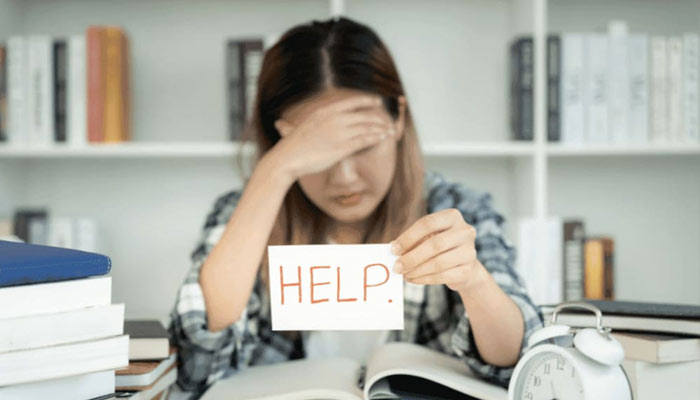
Wars, humanitarian emergencies, and natural disasters affect far more than physical safety.
Long after the immediate crisis fades, many people continue to struggle with fear, anxiety, grief, and emotional trauma that can leave lasting effects on mental health.
As conflicts and disasters continue to impact communities around the world, millions are living with uncertainty, displacement, financial stress, and the constant fear of loss. Mental health specialists say these experiences can significantly affect emotional well-being, especially when people are exposed to violence, instability, or prolonged insecurity over extended periods.
According to the World Health Organization, psychological distress is extremely common during emergencies. While many people gradually recover with support from family, community, and healthcare systems, others may develop serious mental health conditions such as anxiety, depression, or Post-traumatic stress disorder.
Research from organizations including UNICEF and the International Committee of the Red Cross has also shown that prolonged exposure to conflict and instability can continue affecting emotional health for years after the crisis ends.
HOW CRISES AFFECT EMOTIONAL WELL-BEING
During wars or disasters, normal life is often disrupted completely. Families may be separated, homes destroyed, education interrupted, and access to healthcare limited. Uncertainty about safety, livelihoods, and the future can increase emotional stress and create feelings of helplessness.
Children are considered among the most vulnerable groups during such situations. Experts warn that exposure to violence, displacement, or instability during childhood can affect emotional development, sleep, concentration, learning ability, and a child’s overall sense of safety. Without proper emotional care and support, these effects may continue into later stages of life.
Another growing concern is the impact of continuous exposure to distressing information online. Social media platforms and nonstop news coverage often expose people to traumatic visuals and alarming updates throughout the day. Mental health experts from the American Psychological Association say repeated exposure to disturbing content can increase anxiety, emotional exhaustion, and stress even among individuals who are not directly affected by the conflict or disaster.
HOW TO MANAGE MENTAL STRESS DURING A CRISIS
Mental health professionals emphasise the importance of mental health and psychosocial support during emergencies. Emotional care, community support systems, psychological first aid, and access to professional treatment can all help reduce the long-term effects of trauma.
Experts commonly recommend the following steps to protect emotional well-being during stressful situations:
Take breaks from distressing news
Staying informed is necessary, but continuously consuming disturbing news and graphic content can become emotionally overwhelming. Limiting screen time and taking regular breaks from social media may help reduce stress and anxiety.
Talk openly about emotions
Sharing fears and concerns with trusted friends, family members, or mental health professionals can help people feel less isolated and emotionally supported during uncertain times.
Maintain daily routines
Simple habits such as regular sleep, healthy meals, exercise, and staying connected with loved ones can create a sense of stability and control during periods of crisis.
Avoid harmful coping methods
Health experts advise against relying on alcohol, tobacco, or drugs to deal with emotional stress. While such substances may provide temporary relief, they can worsen mental health problems and increase health risks over time.
WHO IS MOST AT RISK?
People already living with existing mental health conditions often face greater difficulties during emergencies because crises can disrupt medical treatment, social support, and access to care. Children, elderly people, displaced communities, and frontline workers are also considered highly vulnerable during prolonged conflicts and disasters.
Studies suggest that nearly one in five people exposed to war or conflict may develop conditions including anxiety, depression, PTSD, bipolar disorder, or other serious psychological disorders. Experts say this underlines the importance of including mental health support as a key part of humanitarian aid and disaster response efforts around the world.
Comments are closed.