
Tamil Nadu Elections: A Decade of Change from AIADMK Dominance to DMK Comeback

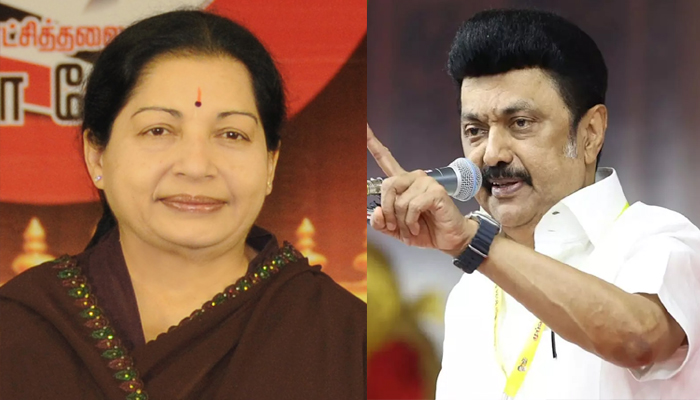
Politics in Tamil Nadu continues to be defined by a straight contest between the AIADMK and the DMK, with voters repeatedly driving power shifts through anti-incumbency and strategic alliances.
2011: AIADMK’s Sweep
The 2011 Assembly elections saw the AIADMK, under J. Jayalalithaa, storm to power with 150 seats. The victory was powered by a strong anti-incumbency wave against the DMK government.
The party secured around 38.4% vote share, while the DMK was pushed back to roughly 22.4%, marking a decisive electoral swing.
2016: Incumbency Holds
In 2016, the AIADMK broke Tamil Nadu’s long-standing trend of voting out incumbent governments. It retained power with 136 seats and a vote share of about 40.88%. The DMK put up a strong fight, winning 98 seats and securing nearly 39.85% votes—turning the election into a closely fought contest.
2021: DMK Returns
The 2021 polls saw the DMK, led by M. K. Stalin, return to power after a decade. The party won 133 seats with a 37.7% vote share, while the AIADMK managed 66 seats with around 33.29%.
The result reflected a renewed anti-incumbency wave and voter preference for change.
What the Trends Show
Power shifts dominate: Except for 2016, Tamil Nadu has largely seen alternating governments.
Alliances are crucial: Coalition partners have often made the difference in tight contests.
Small vote gaps, big wins: Even narrow vote share differences have translated into decisive seat margins.
Limited space for others: Regional and smaller parties continue to struggle against the dominance of the two Dravidian giants.
As the 2026 elections approach, these trends underline a familiar pattern—tight contests, alliance politics, and voters playing the final arbiter.
Comments are closed.