
“Bulk of America’s Long‑Range JASSM‑ER Missiles Positioned for Potential Iran Strikes”

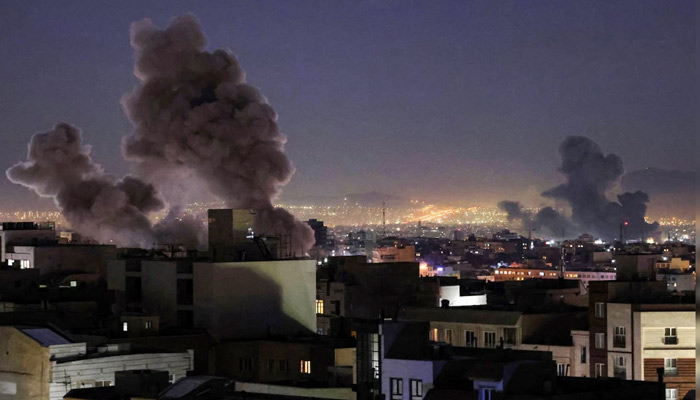
US Deploys Most of Its Long-Range Missiles for Potential Iran Strikes
The United States has positioned nearly its entire stockpile of JASSM-ER long-range cruise missiles for potential operations against Iran, moving missiles from other regions to US Central Command bases and Fairford in the UK.
The $1.5 million missiles, pulled from Pacific and domestic stockpiles, leave only about 425 JASSM-ERs available for the rest of the world, with another 75 unserviceable due to technical issues. Along with shorter-range JASSMs, roughly two-thirds of the US inventory is now committed to the Iran campaign.
The JASSM-ER can strike targets over 600 miles away, allowing aircraft to engage from safe distances. Since the start of US operations, over 1,000 JASSM-ERs have been used, with additional missiles fired during a separate raid targeting Venezuelan President Nicolás Maduro.
Production of JASSM-ER is ongoing but limited: Lockheed Martin is scheduled to produce 396 units in 2026, with up to 860 possible if the line is fully dedicated. Meanwhile, US missile defenses face pressure from Iran’s over 1,600 ballistic and 4,000 rudimentary cruise missiles, prompting planned increases in Patriot PAC-3 and THAAD interceptor production.
US aircraft have already been targeted: an F-15E and an A-10 were downed, along with two search-and-rescue helicopters, while Iran destroyed more than a dozen MQ-9 drones.
As ground forces, including Marines and paratroopers, deploy to the region, speculation grows about potential strategic targets, including Kharg Island, Iran’s main oil terminal. President Donald Trump has warned of taking Iran “back to the Stone Ages,” signaling an escalation in both air and ground operations.
The heavy commitment of JASSM-ERs underscores the risks of depleting stockpiles while maintaining readiness for other global contingencies, including potential conflicts with near-peer adversaries.
Comments are closed.