
India Faces Oral Cancer Surge: 5 Deaths Every Hour, Men Most Affected

Oral Cancer Crisis in India: 5 Deaths Every Hour Despite Decades of Anti-Tobacco Measures
India’s formal fight against oral cancer began in 1975 with the National Cancer Control Programme. Over the years, anti-tobacco regulations tightened — including the Cable TV Network Regulation Act in the 2000s banning cigarette advertisements on television, and mandatory anti-tobacco warnings introduced on OTT platforms in 2023. Yet, oral cancer continues to rise, particularly among men, with nearly five deaths every hour and an estimated 48,000–52,000 deaths annually.
A recent Indian Council of Medical Research (ICMR) analysis reports a 1.20% annual rise in oral cancer cases among men in India, with around 113,000 new cases. Similar upward trends have been observed in countries such as China, Canada, and the United States, as part of a broader review across G20 nations.
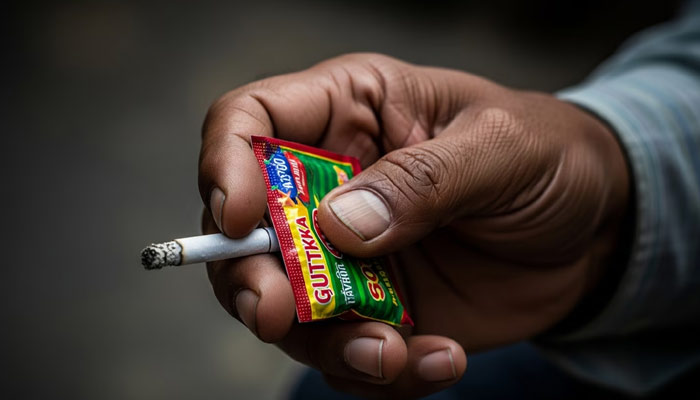
Doctors say the burden is driven largely by lifestyle habits and late diagnosis. “Smokeless tobacco like gutka, khaini and paan is the biggest contributor. Risk multiplies further when combined with smoking and alcohol. Poor oral hygiene and delayed detection also play a major role,” said Dr Minish Jain, Director of Medical Oncology at Ruby Hall Clinic, Pune.
He added that many patients reach hospitals in advanced stages, when treatment becomes more difficult and survival chances reduce.
Why cases are still rising
Tobacco remains responsible for nearly 80% of oral cancer cases, especially among men over 40. However, experts are now seeing a worrying shift toward younger patients and women, linked to widespread use of smokeless tobacco products.
Another emerging factor is human papillomavirus (HPV), particularly HPV-16, which is increasingly associated with oral and oropharyngeal cancers even in non-tobacco users. Earlier, HPV-related cases formed less than 10% of oral cancers; today, the share is steadily increasing.
Alcohol further amplifies risk, especially when combined with tobacco use, while gutka remains a major concern due to its carcinogenic mix of areca nut, tobacco, and lime that continuously damages oral tissues.
The hidden risk of smokeless tobacco
Despite strict anti-smoking laws, smokeless tobacco remains widely accessible, cheap, and socially normalized in many parts of India.
Doctors warn that early initiation is common, with many users starting in adolescence and continuing for years due to addiction. “Easy availability, low awareness of risks, and social acceptance make it difficult for users to quit,” Dr Jain said.
Vaping is not a safe alternative
Experts also caution against the belief that vaping is harmless. Studies indicate that e-cigarette vapours may contain harmful chemicals such as formaldehyde, acetaldehyde, and heavy metals that can damage oral tissues over time.
“Vaping can reduce saliva production, which normally protects the mouth from harmful agents,” said Dr Amol Dumbre Patil, Oncologist at Ruby Hall Clinic.
Flavoured vape liquids, when heated, can also produce toxic compounds linked to gum irritation, mouth sores, and delayed healing. While long-term data is still evolving, experts stress that reduced harm does not mean safety.
Early signs often overlooked
Oral cancer is highly treatable when detected early, but warning signs are frequently ignored or misinterpreted.
Common symptoms include:
Mouth ulcers that do not heal within 2–3 weeks
White or red patches inside the mouth
Lumps or thickened areas in the cheek or tongue
Difficulty chewing or swallowing
Persistent sore throat or voice changes
Unexplained bleeding or numbness
“Early detection can improve survival rates significantly,” Dr Jain noted, adding that outcomes can rise from around 50% to nearly 90% when diagnosed early.
Head and neck surgeon Dr Deepak Sarin also highlighted difficulty swallowing (dysphagia) and unexplained oral bleeding as key warning signs requiring immediate medical attention.
Why screening and awareness matter
Experts stress that routine dental visits and oral cancer screenings are critical for early detection, often identifying precancerous changes before symptoms appear. Public health specialists also call for stronger grassroots awareness, especially in rural and high-risk populations.
“A combination of regular screening, strict tobacco control, and awareness in local languages is essential to reduce the burden,” Dr Jain said.
He added that school outreach programmes, mobile health units, and integration of screening into primary healthcare systems could play a major role in prevention and early diagnosis.
Comments are closed.