

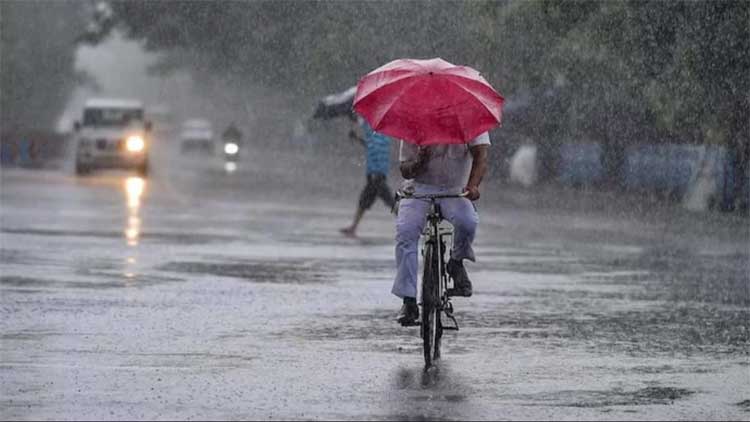
A fresh spell of pre-monsoon activity is set to sweep across northern and eastern India between May 3 and May 5, bringing dust storms, thunderstorms, and much-needed relief from persistent heat and humidity.
Meteorologists say an active western disturbance, combined with surface easterly winds, has started to influence weather patterns across the plains starting Saturday afternoon.
Regions including Punjab, Haryana, Chandigarh, Delhi-NCR, Uttar Pradesh and northern Rajasthan are expected to witness scattered dust storms followed by short spells of moderate to heavy rainfall.
According to forecasts, storm activity will begin to build late on May 3, particularly during the afternoon and evening hours, continuing into the night.
The intensity and spread of these storms are expected to increase significantly over May 4 and May 5, when a larger swathe of the northern plains could experience widespread thunderstorms, hail events, gusty winds, and rain.
Weather experts highlight that these storms are typical of the transition phase before the monsoon but may be more widespread due to the strong interaction between upper-level systems and moisture inflow.
The current setup is drawing humid air from both the Arabian Sea and Bay of Bengal, creating favorable conditions for convective activity.
While mornings and early afternoons are likely to remain warm and humid, areas that receive rainfall are expected to see a noticeable dip in temperatures and improved comfort levels.
The storms could provide temporary relief from the ongoing sultry conditions that have gripped much of the region.
Hill states are also on alert. Jammu and Kashmir, Himachal Pradesh and Uttarakhand are forecast to experience intense thunderstorms and possible hailstorms during this period, which may impact travel and outdoor activities.
Authorities advise residents to remain cautious, particularly during evening hours when storm activity is expected to peak. Dust storms may reduce visibility, while strong winds and lightning could pose risks in exposed areas.
Meteorologists will continue issuing nowcasts as the system evolves, with real-time updates expected to refine the timing and intensity of storm activity across affected regions.
Comments are closed.