
‘Ball in US court’: Iran responds after Donald Trump casts doubt on new deal

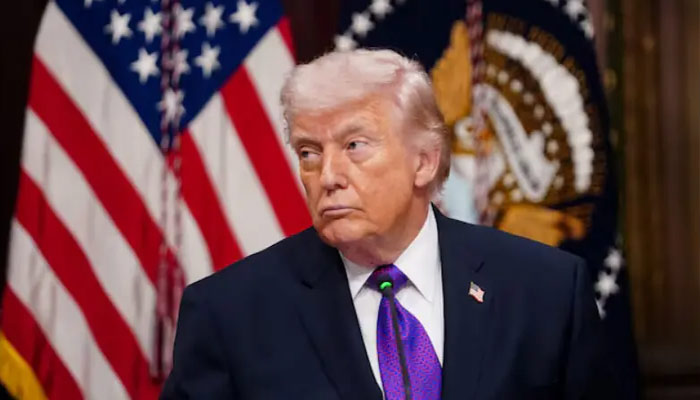
Iran has said the next move is up to the United States after Donald Trump expressed scepticism over Tehran’s latest peace proposal, signalling uncertainty over the path forward despite an ongoing ceasefire.
Iran’s deputy foreign minister Kazem Gharibabadi said Washington must now decide between diplomacy and confrontation. “The ball is in the United States’ court,” he said, adding that Tehran is “prepared for both paths.”
Trump, speaking before boarding Air Force One, said he would review the proposal but questioned its acceptability. “I’ll let you know about it later,” he told reporters, before adding on social media that Iran had not “paid a big enough price,” casting doubt on any breakthrough. He had already dismissed a previous offer earlier in the week.
Iranian agencies Tasnim News Agency and Fars News Agency reported that Tehran has sent a revised 14-point plan to Washington via Pakistan, even as a ceasefire — in place since April 8 — holds after earlier talks failed.
The United States has maintained that any agreement must ensure Iran does not acquire nuclear weapons, the central objective cited by Trump when he authorised strikes in February. Iran, however, continues to insist its nuclear programme is peaceful.
According to reports, Tehran’s proposal includes demands such as US troop withdrawal from surrounding regions, lifting sanctions, releasing frozen assets, compensation, and ending the war across all fronts. It also proposes changes to access and control around the Strait of Hormuz, including reopening the vital route before resolving nuclear issues.
Trump, speaking in Florida, kept the possibility of further military action open. “If they misbehave… it’s certainly a possibility,” he said.
Meanwhile, Washington has warned shipping firms they could face sanctions for making any form of payment to Iran for safe passage through the strait, including digital or indirect transactions.
Iran’s grip over the Strait of Hormuz has already disrupted global flows of oil, gas and fertilisers. In response, the US has imposed a naval blockade on Iranian ports, squeezing Tehran’s oil revenues. The standoff has driven oil prices to around 50% above pre-war levels, underscoring the global economic stakes.
Comments are closed.