
Australia says Syria camp detainees linked to Daesh preparing to return home

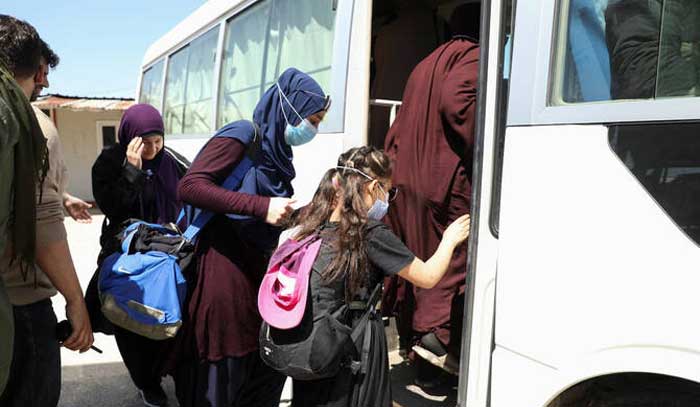
Australia said Wednesday that 13 citizens linked to families of the extremist group Daesh in Syria are planning to return home, but stressed they will receive no government assistance.
Home Affairs Minister Tony Burke said authorities had limited legal grounds to block Australian citizens from re-entering the country, even in cases involving links to extremist groups.
“The government is not assisting and will not assist these individuals. They made an appalling, disgraceful decision,” Burke told reporters, referring to the group of four women and nine children.
He said the government’s refusal to provide support reflected the seriousness of their past decisions.
Burke warned that any returnee suspected of criminal conduct would face legal action, though he did not specify possible charges.
Australian authorities have maintained contingency plans for such cases since 2014, with law enforcement and intelligence agencies preparing for the eventual return of citizens linked to extremist organizations.
Australian Federal Police Commissioner Krissy Barrett said some returnees could face arrest and prosecution upon arrival, while others may remain under investigation. Children returning from the camps will be placed in community reintegration and support programs.
Several Australian women travelled to Syria between 2012 and 2016, often joining husbands alleged to have been Daesh members. After the collapse of the group’s self-declared caliphate in 2019, many were detained in camps across northeastern Syria.
Among the largest of these facilities was Al-Hol camp near the Iraqi border, which housed relatives of suspected Daesh fighters captured during the US-backed campaign against the group.
The returns come after the United States began relocating detained Daesh members from Syria earlier this year following the collapse of the Kurdish-led Syrian Democratic Forces, which had overseen detention facilities holding fighters and affiliated civilians.
By February, fewer than 1,000 families remained in detention camps in northeastern Syria.
Comments are closed.