
Oil Prices Surge, Gift Nifty Tumbles as Donald Trump Dismisses Iran Offer

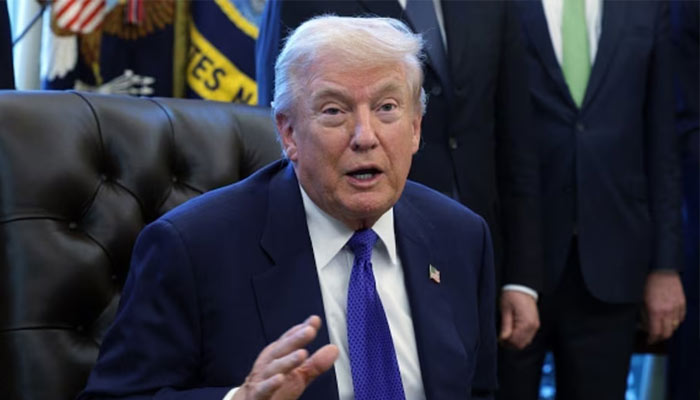
Crude oil prices surged on Monday after Donald Trump publicly rejected Iran’s latest response to a US-backed peace proposal, triggering fresh fears that tensions in the Middle East could intensify further and prolong disruptions around the Strait of Hormuz.
Brent crude jumped close to 4 per cent to approach the $105-per-barrel mark, while WTI crude futures climbed back above $100 per barrel as traders reacted to the worsening geopolitical uncertainty. The sharp spike in oil prices immediately weighed on market sentiment across Asia.
Gift Nifty traded significantly lower in early Monday deals, signalling a weak opening for Indian equities. Around 7:14 AM IST, Gift Nifty was down 193 points, or 0.80 per cent, at 24,047 after opening near 24,280. The renewed tensions also erased some of the optimism that had briefly emerged around ceasefire talks over the past week. Gold prices slipped on Monday after rallying earlier on hopes of a diplomatic breakthrough in the nearly 10-week-long conflict.
The latest trigger came after Trump strongly criticised Tehran’s response to Washington’s peace outreach on Truth Social.
“I have just read the response from Iran’s so-called ‘Representatives.’ I don’t like it — TOTALLY UNACCEPTABLE!” Trump wrote.
The US President did not explain which specific elements of Iran’s proposal had been rejected, but the statement effectively dimmed hopes of immediate progress in negotiations.
Washington’s proposal had been floated in recent days as part of efforts to restart dialogue and de-escalate the conflict, which has disrupted shipping activity through the Strait of Hormuz and pushed global energy markets into renewed volatility.
According to Iranian state media reports, Tehran’s response included demands such as compensation for war damages, removal of sanctions, guarantees against future attacks and recognition of Iranian sovereignty over the Strait of Hormuz.
The developments have once again brought the focus back on the strategic waterway, which handles a significant share of the world’s crude oil shipments. Any prolonged disruption there could sharply impact global fuel prices and inflation trends.
For India, the surge in crude prices poses additional economic pressure because the country remains heavily dependent on imported energy. Rising oil costs could impact inflation, fuel prices and overall market sentiment in the coming weeks.
Investors are now expected to closely track further statements from Washington and Tehran, as well as any signs of escalation around the Strait of Hormuz, which remains central to global energy supply chains.
Comments are closed.