
India’s scorching nights push power grid to the edge, raise health concerns

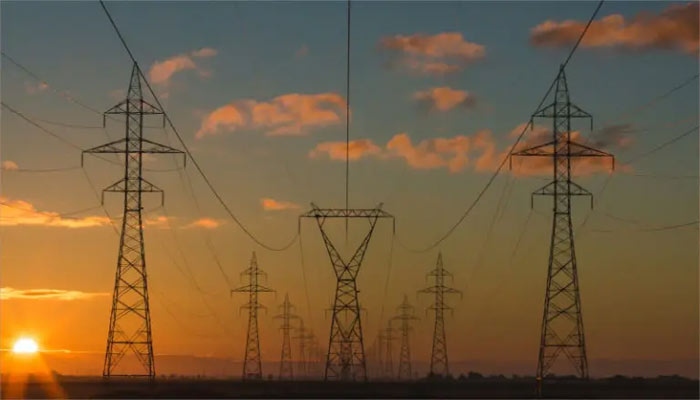
India is experiencing a new and growing climate challenge: increasingly hot nights that are placing stress on both the power grid and public health systems, even after the sun goes down.
While scorching daytime temperatures have long been associated with India’s summer extremes, data now shows that nighttime heat is rising steadily as well—leaving little relief for people and infrastructure already strained by the day’s conditions.
According to the India Meteorological Department (IMD), average minimum temperatures between March and May—used as an indicator of nighttime heat—have been above the long-term average in eight of the past 10 years. Only 2020 and 2023 deviated from this pattern.
Nights no longer offer relief
Earlier this month, the IMD cautioned that above-normal minimum temperatures are likely again this summer across much of the country. This means heat is persisting through the night instead of cooling down, increasing discomfort and health risks.
Experts warn that this shift is becoming as dangerous as daytime heat.
“Sustained high temperatures through the night are becoming a bigger cause of heat exhaustion than the daytime heat,” said Rohit Magotra of the think tank IRADe. He added that the impact is especially severe for people without access to reliable water and cooling systems.
Urban heat and climate change driving the trend
Scientists attribute the rise in nighttime temperatures to a combination of global warming and rapid urbanisation. Expanding concrete infrastructure traps heat during the day and slowly releases it at night, creating so-called urban heat islands.
Experts from the Council on Energy, Environment and Water (CEEW) say more than half of extreme heat in Indian cities is linked to rapid concretisation and expanding road networks, which prevent natural cooling after sunset.
Rising power demand, strained grid
The persistent heat is also pushing electricity demand to record levels, not just during peak afternoons but well into the night.
While solar energy has helped meet daytime demand, evening supply remains under pressure. This has been worsened by tight fuel markets and reduced gas-based power generation, contributing to occasional electricity shortfalls.
India has been forced to purchase additional fuel on spot markets to manage peak demand, but supply gaps of up to several gigawatts have still been reported in recent months.
Power cuts and public hardship
Several states, including Uttar Pradesh, have reported frequent power outages amid rising demand. In some areas, households have faced blackouts lasting hours, compounding the impact of extreme heat.
Residents in some of the country’s hottest regions describe nights as particularly unbearable, with temperatures remaining dangerously high even after sunset.
Experts warn that while public attention often focuses on outdoor heat exposure, indoor heat—especially in poorly ventilated or low-income housing—poses an even greater risk.
Health risks growing at night
Public health specialists caution that prolonged exposure to high nighttime temperatures can worsen dehydration, heat stress, and sleep disruption, particularly among vulnerable groups such as the elderly, children, pregnant women, and outdoor workers.
With cooling options unevenly available, many people are forced to spend evenings outdoors in search of relief, while others endure dangerously hot indoor conditions.
A growing long-term concern
Climate scientists and urban planners warn that without changes in city design, energy infrastructure, and heat preparedness, India’s nighttime heat problem is likely to intensify in the coming years—adding a new layer of pressure to an already extreme summer climate.
Comments are closed.