
Climate Change Set to Intensify Extreme El Niño Phenomena, Warn Researchers
The World Meteorological Organisation said there is an 80 per cent chance that an El Nino event develops between June and August.

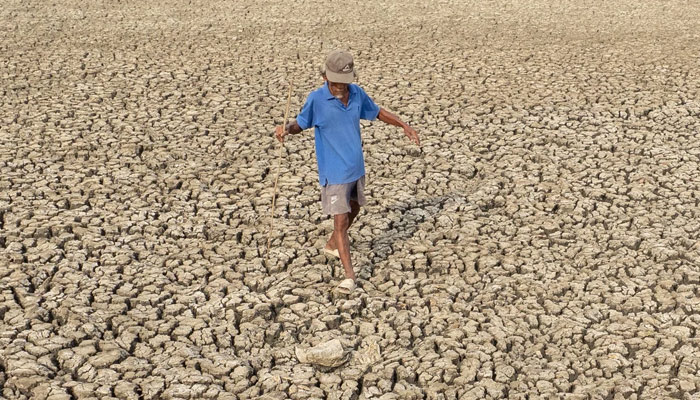
The El Niño climate pattern is developing and could drive extreme weather conditions around the world this year, the World Meteorological Organization (WMO) said on Tuesday, warning that climate change is likely to intensify its effects.
The WMO said there is an 80% probability of an El Niño event forming between June and August, with a 90% chance it will persist until at least November. The agency described the forecast as one of the strongest early signals yet of the event’s development.
El Niño is a naturally occurring phenomenon that emerges every two to seven years when trade winds weaken and warmer ocean waters accumulate in the eastern Pacific. This shift typically pushes global temperatures higher and disrupts rainfall patterns, causing drought in some regions and heavy rainfall in others, while also influencing storm activity.
Why scientists are concerned
Researchers say two key factors are driving concern around this year’s outlook: the potential intensity of the event and the background warming of the planet. While forecasts remain uncertain, some climate models suggest the possibility of a “strong” El Niño, defined by sea surface temperatures at least 1.5°C above average in parts of the Pacific.
The second factor is human-driven climate change, which has already raised global temperatures by around 1.3°C since pre-industrial times. Scientists say this warmer baseline acts as a multiplier, amplifying the impacts of natural climate cycles.
Experts warn this combination could worsen heatwaves, droughts, heavy rainfall, and associated disasters such as floods, wildfires, and crop losses.
“When El Niño occurs, the background warming from climate change makes the impacts more severe and more widespread,” said Piers Forster, Professor of Physical Climate Change at the University of Leeds.
Global risks and potential extremes
The WMO has cautioned that the interaction between El Niño and global warming could contribute to unusually high global temperatures in the coming years. The last El Niño period, in 2024, coincided with record-breaking global heat.
El Niño typically alters weather patterns worldwide, bringing wetter conditions to parts of South America and Central Asia while increasing dryness in Central America and Australia. It can also intensify heat extremes far beyond the Pacific region, including in Europe.
Heightened disaster risks
Scientists warn that the combination of El Niño and climate change can significantly increase the risk of extreme events across multiple regions. Severe flooding in southern Brazil in 2024, which killed more than 180 people and displaced hundreds of thousands, was intensified by both El Niño conditions and global warming, according to researchers.
“When climate change overlaps with El Niño, the risks multiply,” said Francisco Aquino of the University of Rio Grande do Sul, warning that similar scenarios could repeat during a strong event. In southern Africa, El Niño often reduces rainfall during the growing season, affecting agriculture and hydropower. Scientists say climate change is likely to intensify these dry spells.
Experts also warn that warmer Pacific waters could fuel stronger tropical cyclones, increasing the risk of severe storms. “El Niño injects a huge amount of energy into the climate system, so everything becomes more intense,” said Antonio Navarra of the Euro-Mediterranean Center on Climate Change.
Researchers say the current outlook offers a glimpse into how climate extremes may become more frequent and severe in the future, even beyond El Niño cycles.
“As the planet warms, El Niño events become a preview of what is increasingly becoming normal,” said Piers Forster.
Comments are closed.