
How Climate Change Is Redrawing the Future of Global Agriculture

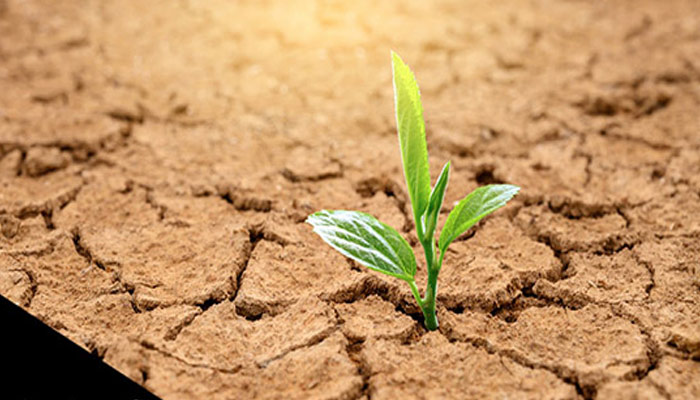
Climate Change Is Reshaping Agriculture. Can the World’s Food Systems Keep Up?
Climate change is no longer a future threat for agriculture—it is a present-day reality. From prolonged droughts and devastating floods to record-breaking heatwaves and shifting rainfall patterns, farmers across the globe are already experiencing the consequences of a warming planet.
Agriculture sits at the heart of the climate challenge. It depends heavily on stable weather conditions, fertile soils and reliable water supplies, yet it is increasingly being disrupted by climate-related shocks. At the same time, the sector remains a significant source of greenhouse gas emissions, creating a complex relationship in which agriculture is both vulnerable to climate change and part of the solution.
As extreme weather events become more frequent and intense, experts warn that the implications extend far beyond farms, threatening food security, rural livelihoods and economic stability worldwide.
Rising Temperatures Are Hitting Crop Yields
One of the most visible impacts of climate change on agriculture is the rise in average temperatures.
According to research cited by international organisations, every 1°C increase in global temperatures could reduce yields of major staple crops—including wheat, rice, maize and soybeans—by around 6 per cent. These crops form the backbone of global food production and provide a majority of the world’s calories.
Higher temperatures can shorten growing seasons, increase heat stress during crucial stages of plant development and reduce crop quality. For farmers, this often translates into lower productivity and declining incomes.
The challenge is not limited to crops. Livestock production is also being affected as heat stress reduces animal productivity, fertility and overall health.
Adding to the concern, the World Meteorological Organization and the Food and Agriculture Organization have warned that some regions may eventually face hundreds of days each year that are too hot for safe outdoor work, creating significant challenges for agricultural labour.
Water Stress and Extreme Weather Intensify Risks
Changing rainfall patterns are creating a second layer of pressure on food production systems.
In many regions, prolonged dry spells and declining soil moisture are increasing the risk of drought, while other areas are experiencing more intense rainfall events that lead to flooding, erosion and nutrient loss.
Too little water can stunt crop growth and reduce yields. Too much water can destroy standing crops, damage irrigation infrastructure and delay planting and harvesting activities.
Extreme weather also creates favourable conditions for pests and crop diseases, adding further uncertainty for farmers already coping with unpredictable conditions.
The impact is particularly severe in developing countries, where many farming communities lack access to irrigation, insurance, weather forecasting services and climate-resilient infrastructure.
- The Economic Impact Extends Beyond Farms
- Agricultural losses rarely remain confined to rural areas.
When climate-related events reduce harvests, the effects often spread through supply chains, increasing food prices and creating inflationary pressures. The consequences can be felt by consumers, businesses and governments alike.
Recent years have provided several examples. Heatwaves, droughts and other climate-related disruptions have contributed to fluctuations in global food supplies, affecting commodity markets and increasing volatility in food prices.
The World Bank has repeatedly warned that climate change could push millions of people into poverty, particularly in countries where agriculture remains a major source of employment and income.
For many developing economies, declining agricultural productivity poses a broader economic challenge, affecting exports, rural employment and government revenues.
- The High Cost of Climate Inaction
- The financial toll of climate-related disasters on agriculture is already substantial.
Over the past three decades, weather-related disasters have caused trillions of dollars in agricultural losses globally. Developing countries have borne a disproportionate share of these costs because agriculture often represents a larger portion of their economies and workforce.
Without stronger adaptation measures, experts expect these losses to increase as climate risks intensify.
Farmers remain on the front lines of this challenge, but their ability to adapt depends heavily on access to technology, financing and timely information.
- Building Resilience Through Innovation
- Despite the growing risks, agriculture is not without solutions.
Early-warning systems have emerged as one of the most effective tools for helping farmers prepare for extreme weather. Through mobile alerts, community networks and forecasting technologies, farmers can receive advance notice of droughts, storms and heatwaves, allowing them to take protective measures.
Climate-smart agriculture is also gaining momentum. Techniques such as precision farming, drought-resistant crop varieties, efficient irrigation systems, soil conservation practices and sustainable land management can help farmers maintain productivity while reducing environmental impacts.
Renewable energy technologies are increasingly being integrated into agricultural operations, helping lower emissions and improve energy access in rural communities.
The Financing Gap Remains a Major Challenge
While agriculture is among the sectors most vulnerable to climate change, it continues to receive only a small fraction of global climate finance. Experts argue that significantly greater investment will be needed to help farmers adapt to changing conditions and strengthen food systems against future shocks.
Bridging this financing gap has become a central issue in international climate negotiations, with governments and development institutions exploring ways to mobilise larger flows of capital toward agricultural resilience and sustainable food production.
Agriculture Can Be Part of the Solution
The future of agriculture will depend not only on how effectively the sector adapts to climate change but also on how successfully it contributes to reducing emissions. Practices such as sustainable soil management, agroforestry, improved water stewardship and low-carbon farming methods can help agriculture become more resilient while supporting broader climate goals.
As the world confronts rising temperatures and increasingly unpredictable weather, the stakes could hardly be higher. Food security, economic stability and the livelihoods of billions of people are closely tied to the health of agricultural systems.
The challenge is immense, but so is the opportunity. With the right investments, policies and innovations, agriculture can evolve from one of the sectors most threatened by climate change into a cornerstone of a more resilient and sustainable future.
Comments are closed.