
Fatty Liver Can Be Reversed: 3 Simple Habits Experts Recommend

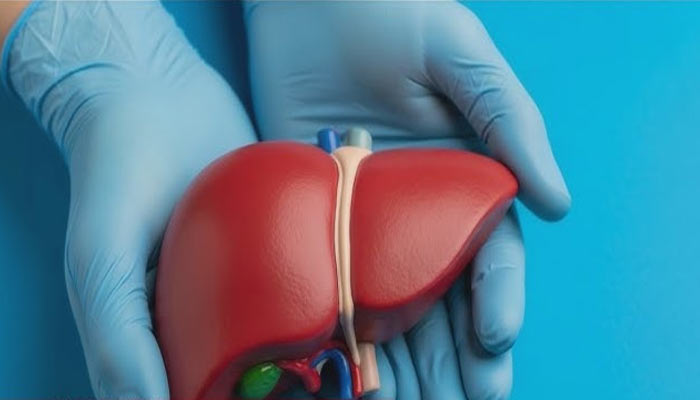
Global Fatty Liver Day: 3 Lifestyle Changes That Can Help Reverse Fatty Liver Disease
Once considered a condition affecting only people with severe obesity or long-standing health issues, fatty liver disease is now increasingly being diagnosed in younger adults and office-goers. Experts attribute the rise to sedentary lifestyles, unhealthy eating habits, obesity and diabetes.
The condition, now known as Metabolic Dysfunction-Associated Steatotic Liver Disease (MASLD) — previously called Non-Alcoholic Fatty Liver Disease (NAFLD) — occurs when excess fat accumulates in the liver. Left unchecked, it can lead to inflammation, scarring and serious liver complications.
Observed every year on the second Thursday of June, Global Fatty Liver Day aims to raise awareness about the disease, its risk factors and the importance of early diagnosis. The encouraging part is that fatty liver disease can often be reversed through timely lifestyle interventions.
According to Dr Nitin Pai, Consultant and Director of Gastroenterology and GI Endoscopy at Ruby Hall Clinic, Pune, a few simple yet consistent changes can significantly improve liver health.
1. Focus on Healthy Weight Loss
Weight reduction remains the most effective strategy for reversing fatty liver disease. Research suggests that losing just 5-10% of body weight can substantially reduce fat accumulation in the liver, lower inflammation and decrease the risk of disease progression.
Even modest weight loss, when maintained over time, can lead to meaningful improvements in liver function and overall metabolic health.
2. Cut Back on Processed and Sugary Foods
Diet plays a crucial role in both the development and reversal of fatty liver disease. Regular consumption of sugary beverages, processed foods, refined carbohydrates and calorie-dense snacks can increase fat deposits in the liver.
Experts recommend adopting a balanced diet rich in vegetables, fruits, whole grains, lean proteins and healthy fats. Such dietary changes not only support liver health but also improve metabolism and help manage body weight.
3. Stay Physically Active
Regular exercise is another powerful tool in combating fatty liver disease. Physical activity helps improve insulin sensitivity and encourages the body to burn excess fat, reducing the burden on the liver.
Health experts advise at least 150 minutes of moderate-intensity exercise each week. Activities such as brisk walking, cycling, swimming and strength training can all contribute to better liver health and overall fitness.
Don’t Ignore Other Lifestyle Factors
While diet and exercise are key, experts stress that a holistic approach delivers the best results. Getting adequate sleep, managing stress levels and keeping conditions such as diabetes, high blood pressure and high cholesterol under control are equally important.
Together, these measures can slow or even reverse liver damage, helping individuals maintain long-term liver health and reduce the risk of serious complications.
The message on Global Fatty Liver Day is clear: early action and simple lifestyle changes can go a long way in protecting one of the body’s most vital organs.
Comments are closed.