

Heart Attack Warning Signs: 6 Symptoms You Should Never Ignore
A heart attack is often seen as a sudden medical emergency, but doctors say the body may give warning signs hours, days or even weeks before it happens. Recognising these early symptoms and seeking immediate medical attention can improve the chances of survival and reduce long-term damage to the heart.
A heart attack occurs when blood flow to the heart muscle is blocked, preventing it from receiving enough oxygen. While it is more common among older adults, cardiologists say younger people are increasingly at risk due to factors such as sedentary lifestyles, poor diet, smoking, obesity, diabetes, high blood pressure and chronic stress.
Here are six warning signs that could indicate an impending heart attack:
1. Chest Pain, Pressure or Tightness
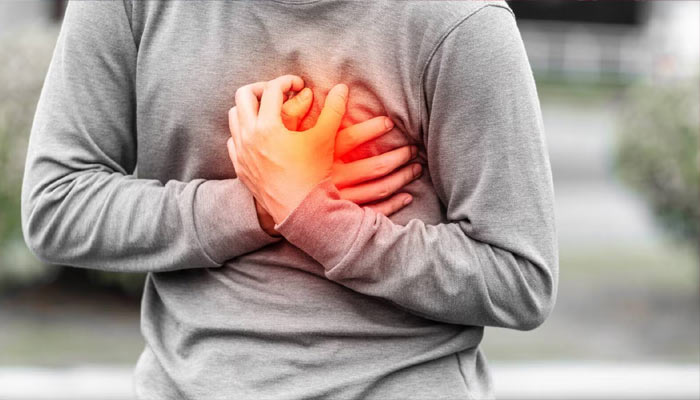
The most common symptom is discomfort in the chest. It may feel like pressure, heaviness, squeezing, fullness or burning rather than sharp pain. The discomfort can last several minutes or come and go, and should never be ignored.
2. Unexplained Fatigue
Feeling unusually tired after routine activities or experiencing persistent weakness without a clear reason can be an early warning sign. Doctors say this symptom is particularly common in women and may appear days before a heart attack.
3. Shortness of Breath
Difficulty breathing during normal activities—or even while resting—can occur when the heart is unable to pump blood efficiently. Breathlessness may appear before chest pain or occur alongside it.
4. Pain Spreading to the Jaw, Neck, Shoulder or Arm
Heart attack pain often radiates beyond the chest. It can spread to the jaw, neck, shoulders, back or one or both arms, particularly the left arm. In some cases, jaw pain may be the first noticeable symptom.
5. Nausea or Indigestion
Some people, especially women, experience nausea, vomiting, stomach discomfort or symptoms resembling indigestion instead of classic chest pain. Because these signs can be mistaken for digestive issues, they are often overlooked.
6. Cold Sweats and Dizziness
Sudden cold sweats, clammy skin, dizziness or feeling faint without any obvious cause may indicate that the heart is under severe stress. These symptoms require urgent medical evaluation, especially if accompanied by chest discomfort or breathlessness.
When Should You Seek Help?
Doctors advise calling emergency medical services immediately if you experience chest pressure lasting more than a few minutes, pain spreading to the jaw or arm, unexplained shortness of breath, or a combination of these symptoms. Prompt treatment can restore blood flow to the heart and significantly reduce the risk of permanent damage.
While not everyone experiences the same warning signs, paying attention to unusual changes in your body—and acting quickly—can make a life-saving difference.
Disclaimer: This article is for informational purposes only and should not be considered medical advice. If you suspect a heart attack or experience any of the symptoms mentioned above, seek immediate emergency medical care or consult a qualified healthcare professional.
Comments are closed.