
Supreme Court Says Sonam Raghuvanshi to Continue on Bail in Meghalaya Honeymoon Murder Case

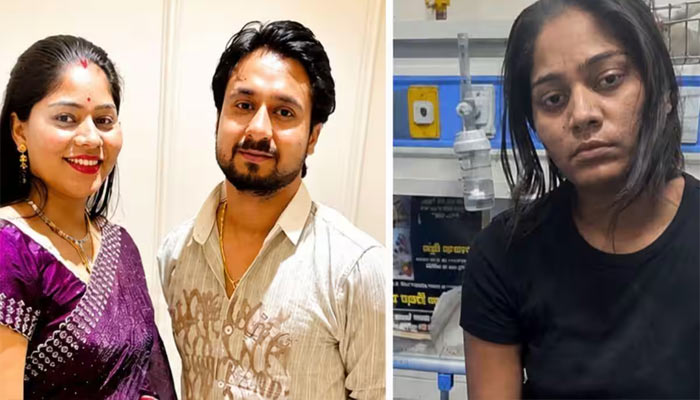
The Supreme Court on Friday declined to interfere with the bail granted to Sonam Raghuvanshi.
The prime accused in the alleged murder of her husband, Raja Raghuvanshi, during their honeymoon in Meghalaya, noting that she had already been released from custody. The Meghalaya government had challenged the Meghalaya High Court’s decision upholding a Shillong trial court’s order granting bail to Raghuvanshi.
During the hearing, the bench indicated that it had initially considered staying the bail order. However, after Solicitor General Tushar Mehta informed the court that Raghuvanshi had already been released, the judges chose not to intervene.
“If she has already been released, we would not want to interfere,” the bench observed.
The court added that while it was “prima facie inclined” to stay the bail order, it did not want to take a harsh view once the accused had been released. It also directed that the trial should continue. Counsel appearing for Sonam Raghuvanshi argued that there was no likelihood of evidence being tampered with, saying the investigation was complete, no further recoveries remained, and stringent bail conditions had already been imposed.
“There is no recovery to be made. Strict conditions have already been imposed. She is already in Shillong and cannot tamper with the evidence,” the counsel submitted.
Why the courts granted bail
Sonam Raghuvanshi, an Indore resident, was arrested in June last year in connection with the alleged murder of her husband, Raja Raghuvanshi. The couple had gone missing on May 23 while on their honeymoon in Meghalaya’s Sohra region. Raja’s body was recovered from a gorge nine days later.
On April 27, a Shillong trial court granted Sonam bail after finding procedural lapses in her arrest. It held that the investigating agency had repeatedly cited Section 403(1) of the Bharatiya Nyaya Sanhita in the arrest memo, inspection memo, justification checklist and case diary extract instead of Section 103(1), which pertains to murder.
The trial court observed that the repeated error could not be brushed aside as a typographical mistake. It said the arrest documents failed to clearly inform the accused that she was being arrested for murder or communicate the specific grounds for her arrest.
The Meghalaya government challenged the order before the High Court, arguing that the incorrect section was only a clerical error and had caused no prejudice to the accused.
However, the High Court dismissed the appeal, questioning how the same mistake had appeared across multiple official documents. It also noted that portions of the arrest records appeared to have been copied from standard templates, including an unrelated reference describing the accused as a deserter from the armed forces.
Holding that the arresting agency had shown a “total non-application of mind,” the High Court upheld the trial court’s order.
The Meghalaya government then moved the Supreme Court seeking cancellation of the bail. The apex court has now declined to interfere, allowing Sonam Raghuvanshi to remain on bail while the trial proceeds.
Comments are closed.