
Myanmar President Makes First Thailand Visit Since Transition to Civilian Rule

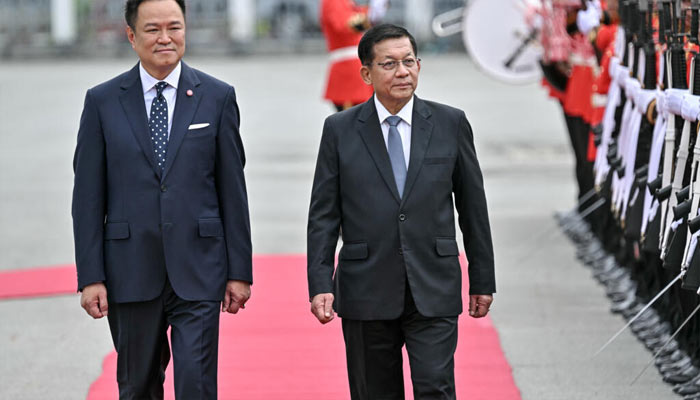
Myanmar’s Min Aung Hlaing Makes First Thailand Visit as Civilian President
Myanmar President Min Aung Hlaing arrived in Bangkok on Thursday for his first official visit to Thailand since taking office as the country’s civilian leader, in a move widely seen as part of his efforts to restore Myanmar’s regional and international standing.
The former junta chief led the military coup that ousted the elected government of Aung San Suu Kyi in 2021, triggering a prolonged civil conflict that has left the country deeply divided. In April this year, he assumed the presidency following elections that were rejected by several Western governments and democracy watchdogs, which questioned their credibility.
Diplomatic Push After Years of Isolation
Since becoming president, Min Aung Hlaing has intensified diplomatic engagement, visiting India, China and Laos before travelling to Thailand. His latest visit comes as Bangkok takes a leading role in re-engaging Myanmar within the Association of Southeast Asian Nations (ASEAN).
Myanmar’s top leadership has been barred from ASEAN summits since the 2021 coup, although its foreign minister attended an informal meeting of regional counterparts in Bangkok last month, indicating limited diplomatic re-engagement.
Days before Min Aung Hlaing’s arrival, detained former leader Aung San Suu Kyi met a representative of the International Committee of the Red Cross—the first known meeting between her and a foreign official since she was detained more than five years ago.
Focus on Security and Economic Cooperation
During the visit, Min Aung Hlaing is expected to meet Thai Prime Minister Anutin Charnvirakul, attend a business forum and participate in an official dinner hosted by the Thai government. The two sides are also expected to sign a memorandum of understanding on labour cooperation.
Thailand is expected to press Myanmar on cross-border cybercrime, online scam operations and drug trafficking, which have flourished in conflict-hit border areas. The continuing violence in Myanmar has also driven large numbers of refugees into Thailand, making stability across the border a key concern for Bangkok.
Criticism and Regional Challenges
The visit has drawn criticism from rights groups, which argue that engaging with Min Aung Hlaing risks legitimising Myanmar’s military-backed administration. The country’s leadership continues to face Western sanctions, while the International Criminal Court is pursuing proceedings related to alleged crimes against humanity.
Analysts say Myanmar is seeking greater acceptance within ASEAN, but its refusal to implement the bloc’s Five-Point Consensus on ending the conflict remains a major stumbling block. The peace plan calls for dialogue among all stakeholders, a proposal the Myanmar authorities have consistently resisted.
Even so, Thailand appears determined to keep diplomatic channels open, arguing that cooperation with Myanmar remains essential to addressing shared challenges, including border security, migration and transnational crime.
Comments are closed.