
Before 9/11, Osama Bin Laden Was Already Eyeing India For Terror Attacks, CIA Files Reveal

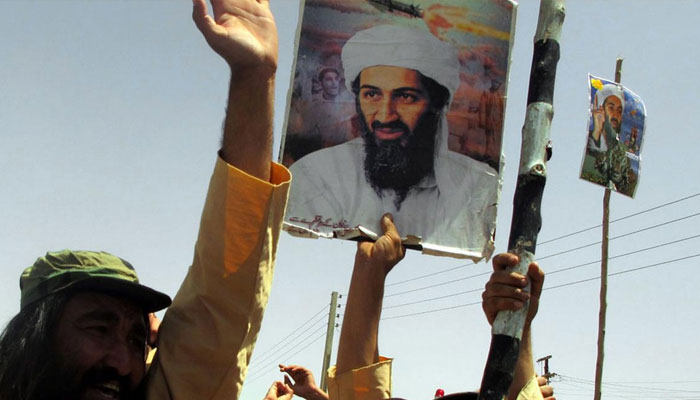
India was on Osama bin Laden’s radar as a potential target years before the September 11, 2001 terror attacks.
According to newly released US intelligence documents that shed light on the early warning signs surrounding the al-Qaeda leader.
A presidential intelligence brief dated August 28, 1998, identified India among several countries where bin Laden was considering attacks. Pakistan, Egypt, Kuwait, Saudi Arabia, Yemen and Uganda were also named, while Nigeria was separately mentioned as another possible target.
The document does not identify a specific location in India or reveal any detailed plan outlining when or how an attack could have been carried out.
The assessment is part of a collection of more than 70 presidential intelligence documents released by the US Central Intelligence Agency (CIA). The files, running to more than 100 pages, provide a detailed look at how American intelligence agencies assessed the growing threat from bin Laden and his network in the years before 9/11.
What The 1998 CIA Assessment Revealed
The August 28, 1998 brief was titled ‘Bin Ladin Terrorist Network Still a Threat’ and examined the status of al-Qaeda following US missile strikes against the group’s camps in Afghanistan. Although the intelligence source cited in the document has been redacted, the assessment indicated that bin Laden’s plans extended far beyond attacks against the United States.
India appeared in a list of countries being considered for terrorist operations, highlighting the increasingly international scope of the al-Qaeda threat.
The CIA assessment also pointed to al-Qaeda’s established infrastructure in North America, Europe and East Asia. According to the document, the presence of these networks strengthened intelligence reports that bin Laden could target US interests in those regions.
US Strikes Failed To Dismantle Bin Laden’s Network
The intelligence brief was prepared shortly after the United States launched missile strikes against al-Qaeda facilities in Afghanistan in August 1998. US intelligence concluded that bin Laden and other senior members of the organisation had survived the strikes. Their communications network was also believed to remain intact.
The assessment said some al-Qaeda camps had resumed training, while others were being moved to new locations. Even before the US strikes, bin Laden was reportedly seeking opportunities to launch additional attacks against American and British interests.
The CIA warned that the scale of the network at his disposal was potentially enormous. Bin Laden could, according to the assessment, rely on individuals and allied groups operating across at least 60 countries to carry out attacks.
Warnings About Bin Laden Came Long Before 9/11
The reference to India is part of a much larger collection of intelligence records showing that US officials had repeatedly assessed the threat posed by bin Laden in the years before 9/11. The newly released presidential intelligence documents cover the period from 1998 through 2001 and span the administrations of Presidents Bill Clinton and George W Bush.
The records provide a glimpse into the intelligence warnings that reached the White House as al-Qaeda expanded its international network and plotted attacks. The CIA said the release provides unprecedented transparency into some of America’s most sensitive intelligence publications from the period surrounding one of the darkest episodes in US history.
- September 11 Attacks Changed The Global Security Landscape
- On September 11, 2001, 19 al-Qaeda operatives hijacked four passenger aircraft in the United States.
Two planes were deliberately crashed into the World Trade Center’s Twin Towers in New York, causing both buildings to collapse. A third aircraft struck the Pentagon near Washington, DC.
The fourth plane crashed in Pennsylvania after passengers attempted to regain control of the aircraft. It was believed to have been heading toward a major government target in Washington, potentially the White House or the US Capitol.
Nearly 3,000 people were killed in the attacks.
The tragedy triggered a sweeping transformation in US counterterrorism and foreign policy and led to the US-led “war on terror”. American forces invaded Afghanistan later in 2001 in an effort to dismantle al-Qaeda and remove the Taliban government that had provided sanctuary to bin Laden.
Comments are closed.