
Durga Puja in Kolkata: From Religious Festival to UNESCO-Recognised Cultural Heritage

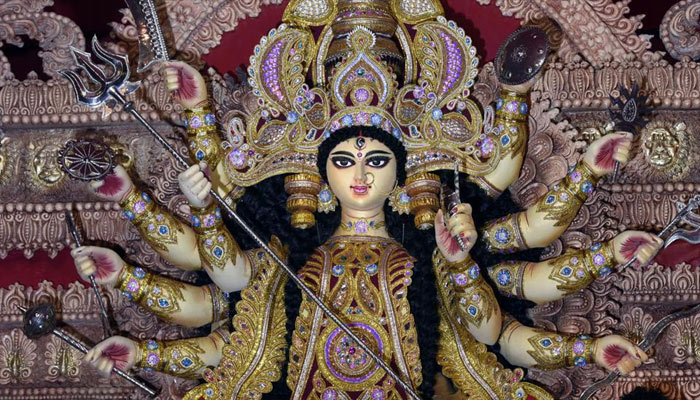
Durga Puja in Kolkata: How a Generations-Old Tradition Earned UNESCO Heritage Status
As autumn arrives, Kolkata prepares for one of its most spectacular annual celebrations. Streets sparkle with elaborate lighting, dhaak drums echo through neighbourhoods, and beautifully crafted pandals draw crowds late into the night. Families step out in festive attire, friends embark on pandal-hopping expeditions, and food becomes an essential part of the celebration. Yet, beneath the colourful festivities lies a cultural tradition shaped by generations of craftsmanship, artistic imagination and community spirit.
This rich cultural legacy received international recognition in 2021, when Kolkata’s Durga Puja was added to UNESCO’s Representative List of the Intangible Cultural Heritage of Humanity. The inscription acknowledged the festival’s artistic traditions, the contribution of local communities and its ability to bring people together through shared cultural expression.
Although the festival centres on the worship of Goddess Durga and her victory over Mahishasura, its significance extends far beyond religious rituals. It is an occasion when sculpture, architecture, music, theatre, food and public art come together, transforming Kolkata into a vast cultural showcase.
From Clay Idols to Extraordinary Pandals
The preparations for Durga Puja begin months before the festivities. In Kumartuli, Kolkata’s renowned potters’ quarter, artisans carefully mould clay into idols of the goddess and her accompanying deities. Their work reflects skills passed down through generations, combining traditional techniques with individual artistic styles.
At the same time, neighbourhood clubs, designers and artists collaborate to create pandals that serve as temporary spaces for worship and artistic expression. Some take inspiration from historic temples, traditional Bengali architecture and folk motifs, while others explore contemporary themes through experimental designs and striking installations.
This combination of heritage and innovation gives Kolkata’s Durga Puja its distinctive character. Every pandal offers a different creative interpretation, making the city an open-air exhibition that attracts residents, domestic tourists and international visitors.
For travellers, pandal-hopping is much more than visiting decorated structures. It offers an opportunity to experience the city’s neighbourhoods, artistic communities and street culture. Between visits, food stalls and local restaurants serve Bengali festive delicacies alongside Kolkata’s popular street-food favourites.
Why Durga Puja Is More Than a Religious Festival
The festival’s cultural importance lies in the collective effort required to bring it to life. Idol-makers, painters, decorators, architects, lighting designers, volunteers and community organisers all contribute to an event that takes months of planning.
The pandals demonstrate how traditional knowledge can coexist with modern creativity. While many celebrations preserve familiar artistic forms and cultural symbols, others introduce new materials, design approaches and social themes. This constant evolution helps keep the tradition relevant to changing generations.
Community participation is equally important. Local organisations coordinate celebrations, residents volunteer their time, and neighbourhoods become shared spaces for cultural activities. Music, dance, theatre and food add further dimensions to the experience, making Durga Puja a social occasion as much as a religious observance.
The tradition has also travelled beyond Kolkata. Bengali communities across India and around the world organise their own celebrations, preserving familiar customs while adapting them to their surroundings. Nevertheless, Kolkata remains a defining centre of the festival because of the scale of its celebrations and the extraordinary range of artistic work on display.
Tapati Guha-Thakurta’s Role in Documenting the Festival
The journey towards UNESCO recognition involved documenting the many cultural elements that make Durga Puja distinctive. Historian Tapati Guha-Thakurta, whose research has examined the festival’s visual culture, public art and social significance, was asked to prepare the nomination dossier.
The nomination presented Durga Puja as a living cultural practice sustained by artisans, community organisations and creative professionals. It highlighted the traditional skills involved in idol-making, the collaborative process behind pandal construction and the festival’s ability to accommodate new forms of artistic expression.
UNESCO’s recognition in 2021 brought greater international attention to these aspects of the celebration. It also highlighted the importance of safeguarding the knowledge, craftsmanship and community relationships that allow the tradition to continue from one generation to the next.
The Emotional Connection Behind Kolkata’s Durga Puja
For many Bengali families, Durga Puja is synonymous with homecoming, reunion and a strong sense of belonging. People return to Kolkata to spend time with relatives and friends, visit familiar neighbourhood pandals and participate in rituals that have become part of family traditions.
The festivities eventually culminate in the immersion of the idols, symbolising the goddess’s departure. The emotional farewell marks the conclusion of the celebration while leaving devotees looking forward to her return the following year.
Visitors experience another side of Kolkata during this period. Streets become lively gathering places, pandals turn into temporary cultural landmarks, and people from different backgrounds share the excitement of discovering the city’s artistic creations.
The festival’s appeal lies not only in its elaborate decorations but also in the people who make it possible. Each idol reflects the skill of its maker, every pandal represents a collective creative effort, and each neighbourhood contributes to the atmosphere that defines the celebration.
A Global Recognition Rooted in Local Traditions
UNESCO’s heritage recognition has helped introduce Kolkata’s Durga Puja to a wider international audience. However, the festival’s enduring significance remains rooted in the city’s everyday cultural life and the communities that sustain it.
From the painstaking work of Kumartuli’s artisans to the imaginative designs of pandal creators, the celebration demonstrates how cultural traditions can preserve inherited skills while embracing change. It brings together devotion, art, food and community participation in a way few annual festivals can match.
For a brief period each year, Kolkata becomes a living cultural canvas. Its streets, neighbourhoods and people form an integral part of the celebration, making Durga Puja not simply an event held in the city, but a tradition through which the city expresses its identity.
Comments are closed.