
Delhi’s Winter Pollution Plan Starts Today: 5 Major Changes From Vehicle Ban to 50% WFH

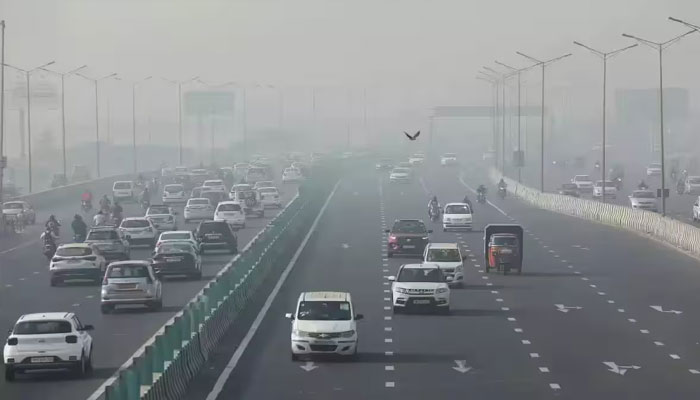
Delhi Enforces 5 New Pollution Rules From November 1: Vehicle Entry Ban, Work-From-Home Norms And More
With winter pollution becoming a major concern, Delhi has brought a series of new restrictions into effect from November 1 to curb emissions and improve air quality. The measures will continue until January 31, 2027, and are expected to affect commuters, office employees, vehicle owners and construction activities across the capital.
The new regulations focus on restricting the movement of older vehicles, controlling construction dust, reducing traffic through work-from-home arrangements and discouraging private vehicle use. Authorities will rely on special enforcement teams, ANPR cameras and an AI-based Integrated Command and Control Centre (ICCC) to keep a check on violations. Those found breaking the rules may face electronic challans.
Here is a closer look at the five major changes:
1. Older Vehicles From Outside Delhi Face Entry Restrictions
Delhi has prohibited the entry of non-BS-VI compliant vehicles registered outside the capital for the period between November 1 and January 31. The restriction is likely to affect owners of older petrol and diesel vehicles coming from neighbouring regions such as Noida, Gurugram, Ghaziabad and Faridabad. Electric and CNG vehicles, as well as emergency vehicles like ambulances and fire tenders, have been kept outside the ban.
2. Construction And Demolition Work Under Restrictions
In an effort to control dust emissions, outdoor civil construction and demolition activities that generate dust will remain prohibited during the three-month period. Essential public infrastructure projects may be permitted under specific conditions. Indoor activities such as electrical installations, plumbing and finishing work can continue if the prescribed dust-management guidelines are observed.
3. Government And Private Offices Must Follow 50% WFH
The new guidelines require government and private establishments to limit physical office attendance to 50 per cent of their workforce. The remaining employees will be required to work remotely. Essential services have been exempted. The decision is intended to reduce the number of daily commuters and consequently bring down traffic-related emissions.
4. Office Schedules Changed, Parking Charges Doubled
To prevent traffic from building up during peak hours, civic and government offices in Delhi will follow different working schedules. Municipal Corporation of Delhi offices will remain operational from 8:30 am to 5 pm, while Delhi government offices will function from 10 am to 6:30 pm.
Parking charges at several public parking facilities have also been increased to twice their existing rates as part of efforts to discourage private vehicle use. However, parking facilities owned and operated by the Delhi Metro Rail Corporation are exempt from the increase.
5. Petrol Pumps To Deny Fuel Without Valid PUC
The ‘No PUC, No Fuel’ regulation will come into force at petrol pumps across Delhi from November 1. Around 500 fuel stations have been equipped with Automatic Number Plate Recognition (ANPR) cameras to scan registration numbers and check the validity of vehicles’ pollution certificates.
Under the rule, vehicles without a valid Pollution Under Control (PUC) certificate will not be supplied petrol, diesel or CNG. The move is designed to push vehicle owners towards timely emission testing and stricter compliance with pollution-control requirements.
Comments are closed.