
AIMIM Leader Seeks Ban on ‘Dhurandhar The Revenge’, Labels It ‘Hateful Propaganda’

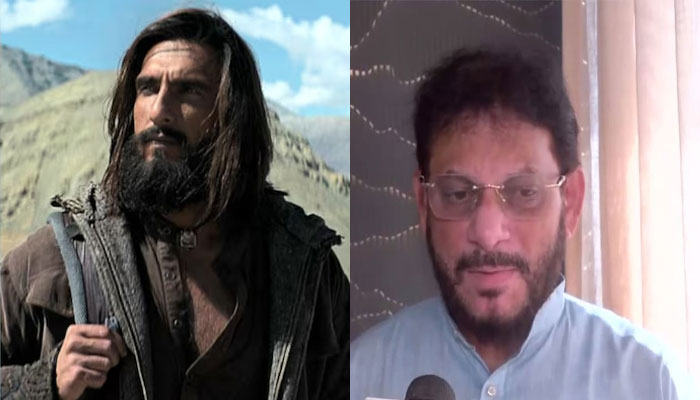
AIMIM Spokesperson Urges Ban on ‘Dhurandhar 2’, Calls It ‘Spreading Hatred’
AIMIM spokesperson Waris Pathan has called for a ban on films like Aditya Dhar’s Dhurandhar: The Revenge (Dhurandhar 2), claiming they portray Muslims negatively and spread lies. Speaking about the Ranveer Singh-starrer, Pathan said such films are made by “cheap people” seeking profit by spreading hatred.
His remarks come amid criticism of Dhurandhar 2 from actors like Ramya Spandana and Prakash Raj, as well as YouTubers including Dhruv Rathee.
Pathan’s criticism
In an interview with ANI, Pathan said he avoids watching “propaganda films” like Dhurandhar 2. He argued that the film misrepresents real events, such as demonetisation, and unfairly depicts Muslims as villains.
“There are some cheap people who spread hatred and lies just to make a few rupees. Make films for entertainment or to show real history. Make films to make people happy, not to spread hatred,” Pathan said, urging the government to intervene.
About Dhurandhar: The Revenge
Dhurandhar 2, written and directed by Aditya Dhar, is produced by him along with Lokesh Dhar and Jyoti Deshpande under Jio Studios and B62 Studios. It is a sequel to the 2025 hit Dhurandhar, which followed Indian spy Jaskirat Singh Rangi (alias Hamza Ali Mazari) on a mission in Pakistan.
The film stars Ranveer Singh, Arjun Rampal, Sanjay Dutt, R Madhavan, Sara Arjun, Rakesh Bedi, Gaurav Gera, Danish Pandor, and Manav Gohil. It released in theatres on March 19, with paid premieres on March 18, and dubbed versions in Telugu, Tamil, and Malayalam released on March 21.
Despite mixed reviews and bans in Gulf countries, Dhurandhar 2 has performed well at the box office, collecting over ₹234 crore net in India so far. The first film, Dhurandhar, had grossed over ₹1,300 crore worldwide, with praise from celebrities including Allu Arjun, Rakesh Roshan, Jr NTR, Mahesh Babu, and Ram Charan.
The debate over Dhurandhar 2’s portrayal of Muslims continues, with calls for regulation and concerns over its impact on public perception.
Comments are closed.