
America’s Water Warning: This US City Could Become the First to Run Dry

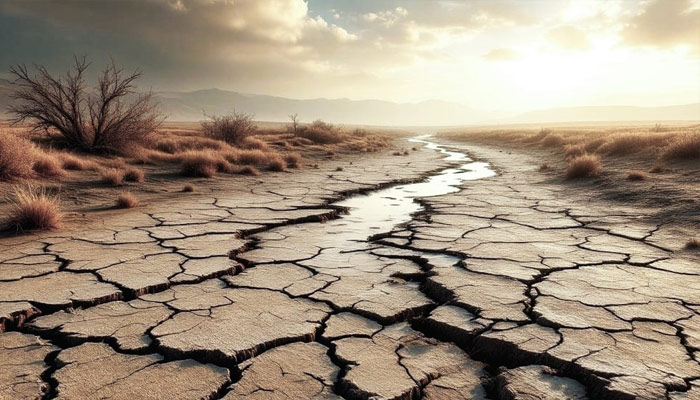
Why This Texas City Could Become the First in Modern America to Run Out of Water
A growing water crisis in Corpus Christi, Texas, has raised concerns that the coastal city could become the first in modern US history to face an extreme depletion of its water supply if urgent long-term measures are not implemented.
Home to more than 300,000 residents, Corpus Christi is grappling with the combined impact of years of drought, shrinking reservoir levels, rapid population growth and soaring industrial water demand, putting unprecedented pressure on its freshwater resources.
Drought and Industry Stretch Water Supplies
The city’s water challenges have been building for years, but rapid industrial expansion along the Texas Gulf Coast has significantly accelerated the problem.
Large petrochemical and manufacturing plants require vast amounts of water for daily operations. According to reports, one plastics manufacturing facility that began operations in 2022 uses roughly the same amount of water each day for cooling as the city’s entire residential population, placing enormous strain on an already stressed system.
Long-Term Solutions Stuck in Limbo
To reduce its dependence on freshwater reservoirs, Corpus Christi has proposed several major infrastructure projects, including a seawater desalination plant that would convert Gulf of Mexico seawater into drinking water. However, progress has been slowed by regulatory hurdles, environmental reviews and funding challenges, delaying what many experts consider one of the city’s most important long-term solutions.
Officials are also exploring expanded groundwater extraction and increased wastewater recycling, allowing treated water to be reused by industries instead of relying on freshwater supplies.
Climate Change Adds to the Pressure
Persistent drought across Texas, combined with rising temperatures linked to climate change, has further reduced water levels in the reservoirs supplying Corpus Christi.
Although recent rainfall has provided temporary relief, experts warn the improvement is unlikely to solve the underlying problem. According to reporting by Inside Climate News, the city currently has roughly one year’s worth of stored water—a level many water experts view as an emergency reserve rather than a sustainable supply.
Water Restrictions Already in Effect
Authorities have already introduced conservation measures, limiting activities such as lawn irrigation, vehicle washing and other non-essential uses of water. If reservoir levels continue to decline, officials have warned that stricter emergency measures—including temporary water rationing or scheduled supply cuts—may become unavoidable.
A Global Wake-Up Call
Experts say Corpus Christi’s crisis reflects a growing challenge facing cities around the world as climate change, prolonged drought, urban expansion and industrial growth place increasing pressure on finite freshwater resources. The situation highlights the need for long-term investment in water infrastructure, conservation, wastewater recycling and climate-resilient planning to safeguard future water security—not only in Texas, but across the globe.
Comments are closed.