
Amitabh Bachchan Secures Legal Protection as Delhi HC Restricts Unauthorised Use of His Identity

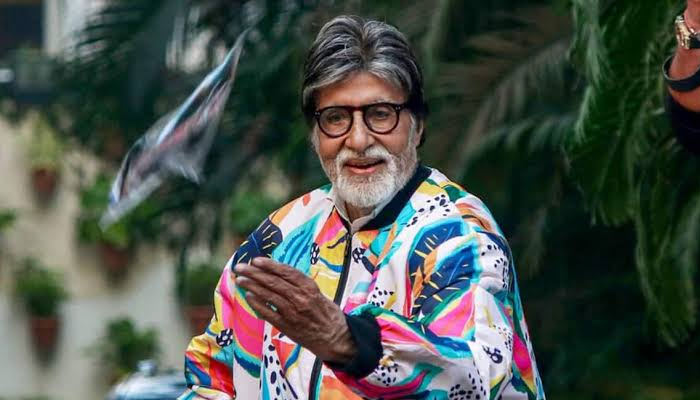
Delhi High Court Protects Amitabh Bachchan’s Personality Rights, Bars Unauthorised Use of His Identity
Veteran Bollywood actor Amitabh Bachchan has won a significant legal battle against the unauthorised commercial use of his identity. The Delhi High Court has restrained individuals, companies and unidentified entities from using his name, photographs, voice and likeness without obtaining his consent.
The order was passed by Justice Purushaindra Kumar Kaurav on November 5, following a lawsuit filed by Bachchan seeking protection of his personality and publicity rights. The actor had approached the court after discovering multiple instances in which his identity was allegedly being used to promote products, services and online platforms without his approval.
According to Live Law, the court issued a decree against eight defendants. Four defendants agreed to settle the dispute, while the other four failed to contest the proceedings. The protection granted by the court also extends to unidentified individuals and organisations, referred to as John Does.
The ruling aims to prevent third parties from exploiting Bachchan’s popularity and public image for financial gain or creating a misleading impression that he endorses particular products and services.
FAKE KBC LOTTERY MESSAGES AND APPS AMONG THE ALLEGED MISUSES
In his petition, Bachchan brought several examples of alleged identity misuse to the court’s attention. These included a mobile application called ‘Amitabh Bachchan Video Call’, fraudulent Kaun Banega Crorepati lottery messages circulated through WhatsApp, a general knowledge quiz book featuring his photograph and merchandise such as posters and T-shirts displaying his images.
The actor also objected to websites using his name without authorisation. He argued that such activities could mislead people into believing that he was directly associated with or endorsing the products and services being advertised.
Bachchan sought legal intervention to stop individuals and businesses from commercially exploiting his identity without permission.
FOUR DEFENDANTS AGREE NOT TO USE HIS IDENTITY
During the proceedings, four defendants, numbered 1, 3, 5 and 8, reached an agreement with Bachchan. They acknowledged his publicity rights and right to privacy and agreed not to use his name, image, voice, likeness or any other identifying feature without his explicit consent.
The Delhi High Court accepted the settlement after recording that the parties had entered into the agreement voluntarily and without any pressure or coercion.
The settlement was incorporated into the final decree under Order XXIII Rule 3 of the Code of Civil Procedure (CPC).
COURT RULES AGAINST FOUR NON-APPEARING DEFENDANTS
The remaining four defendants, numbered 2, 4, 6 and 9, failed to appear before the court or submit written statements despite receiving summons.
The court consequently proceeded against them under Order VIII Rule 10 of the CPC. Justice Kaurav observed that this provision should not be invoked automatically in every case. However, considering the circumstances and the absence of factual disputes requiring a full trial, the court found it appropriate to pass the decree.
The proceedings also highlighted the risk of misleading consumers through the unauthorised use of a celebrity’s identity, particularly when such usage creates an impression of endorsement or commercial association.
JOHN DOE ORDER COVERS UNKNOWN ENTITIES
The court’s directions also cover unidentified persons and organisations that may attempt to misuse Bachchan’s identity through websites, mobile applications, social media, messaging services and other digital platforms.
The actor had pointed out that anonymous online operators make it difficult to identify and take action against every individual involved in such activities.
The ruling provides Bachchan with legal protection against unauthorised commercial exploitation of his personality and reinforces the importance of celebrity publicity rights in the digital age. It also underlines that an individual’s popularity and public identity cannot be freely used by others to promote commercial interests without permission.
Comments are closed.