
‘Beginning of the End’: Suvendu Adhikari on Mamata Banerjee after Bhabanipur result

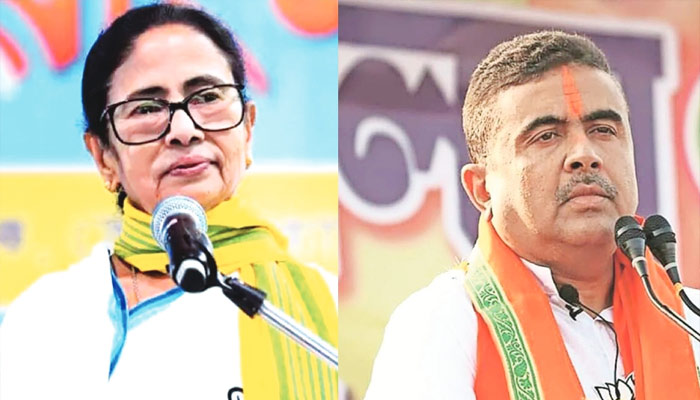
Senior Suvendu Adhikari on Monday described his Bhabanipur victory as a decisive political moment, claiming it marked the “retirement” of West Bengal Chief Minister Mamata Banerjee after defeating her on her home turf.
Speaking after collecting his victory certificate, Adhikari said the result was both symbolic and strategic, signalling a shift in West Bengal’s political landscape. He linked the win to a broader mandate for the Bharatiya Janata Party, which is set to form its first government in the state, ending the long rule of the All India Trinamool Congress.
Vote consolidation claim
Adhikari attributed his victory to a consolidation of support across communities, claiming backing beyond the BJP’s traditional voter base. He alleged that while minority voters largely supported the TMC, several other groups united behind him.
He also claimed that a section of Left voters, including supporters of the Communist Party of India (Marxist), shifted in his favour, strengthening the anti-TMC vote.
High-stakes, dramatic finish
The Bhabanipur contest saw a dramatic turnaround. Banerjee led in the early rounds, but Adhikari gradually narrowed the gap and moved ahead in later stages.
He secured victory by over 15,000 votes, sealing one of the most closely watched battles of the election. Both leaders were present at the counting centre, underlining the high stakes.
During counting, Banerjee alleged irregularities and termed the result “immoral,” though there was no immediate response from the Election Commission.
Part of a larger mandate
Adhikari framed the result as part of a wider electoral surge for the BJP across West Bengal. Party leaders hailed it as a mandate for change, while Narendra Modi called for a focus on governance.
He also noted that senior leaders, including Union Home Minister Amit Shah, were closely monitoring the counting process.
Banerjee’s defeat in Bhabanipur is being seen as a significant moment in the state’s politics, with potential long-term implications.
Comments are closed.