

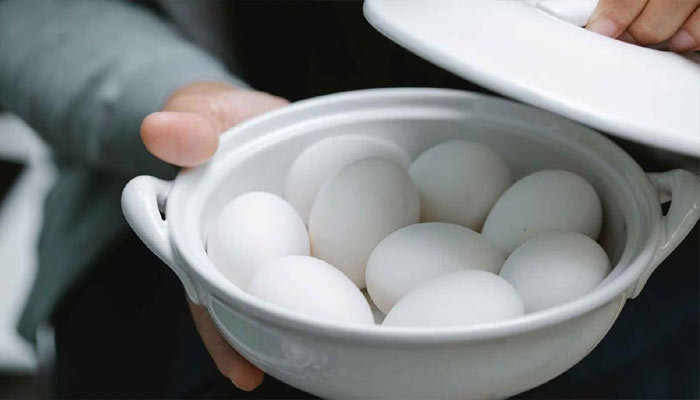
Hard-boiled eggs are a convenient and nutritious source of protein, which is why they are a popular choice for breakfast, snacks and meal preparation.
But while boiling makes eggs ready to eat, improper storage can increase the risk of bacterial contamination and foodborne illness.
One of the most important rules is to avoid leaving cooked eggs at room temperature for too long. Bacteria such as Salmonella can multiply rapidly when food is kept in warm conditions. Hard-boiled eggs should therefore be refrigerated within two hours of cooking. If the temperature is above 32°C, they should be refrigerated within one hour.
If you prepare eggs in advance, place them in the refrigerator as soon as they have cooled sufficiently for storage. Keep the refrigerator at 4°C or below to maintain food safety. Properly refrigerated hard-boiled eggs can generally remain safe to eat for up to seven days.
It is also best to keep the shells on until you are ready to eat the eggs. The intact shell provides an additional barrier against contamination and helps prevent the cooked egg from absorbing strong odours from other foods.
For storage, choose an interior refrigerator shelf instead of the door. Temperatures in the door area can fluctuate more frequently because of repeated opening and closing, while the main compartment generally provides a more stable cold environment.
Before eating a stored boiled egg, check for any noticeable changes. An unpleasant or unusual smell, slimy texture or other obvious signs of spoilage are reasons to discard it. Do not taste an egg to determine whether it is safe.
Following a few simple storage habits can significantly reduce the risk of foodborne illness. Refrigerate boiled eggs promptly, keep them properly chilled, store them with their shells intact when possible and consume them within seven days.
Comments are closed.