

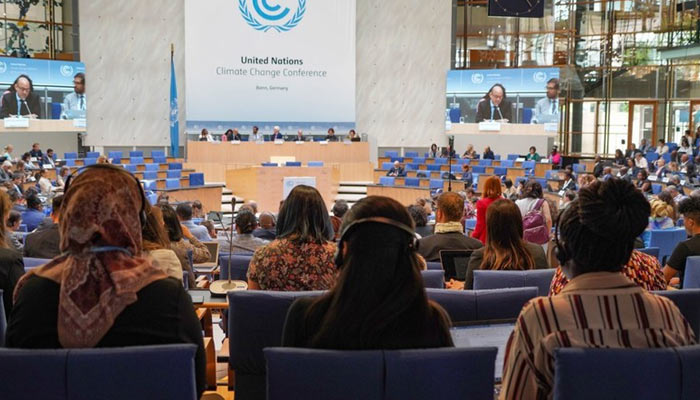
SB64 Climate Talks Open in Bonn as Nations Chart Path Towards COP31
The 64th session of the UN Framework Convention on Climate Change (UNFCCC) Subsidiary Bodies, known as SB64, has commenced in Bonn, Germany, bringing together thousands of delegates, negotiators and observers for two weeks of discussions aimed at shaping the next phase of global climate action.
Held at the World Conference Centre Bonn, the meeting serves as a key mid-year checkpoint in the international climate calendar. More than 5,000 participants are expected to take part in negotiations designed to advance commitments made at COP30 in Belém and prepare the agenda for COP31, scheduled to be held in Antalya, Türkiye later this year.
The talks will cover a wide range of issues central to global climate efforts, including emissions reduction, adaptation strategies, climate finance, technology transfer, trade-related climate measures, scientific assessments and pathways for a just transition. Delegates will also begin discussions linked to the second Global Stocktake, which evaluates collective progress toward the goals of the Paris Agreement.
Several workshops and dialogues are planned throughout the conference, focusing on the intersection of climate change with sectors such as agriculture, food security and ecosystem protection. Special attention will be given to oceans, mountain regions, Indigenous communities, gender-responsive climate action and nature-based solutions.
Senior representatives from the current and incoming COP presidencies are expected to lead a series of consultations aimed at boosting climate ambition ahead of COP31. These discussions will review progress on initiatives launched during COP30, including roadmaps addressing forest conservation and the transition away from fossil fuels.
The International Union for Conservation of Nature (IUCN) is set to participate extensively in the Bonn meetings, advocating stronger integration of biodiversity protection within climate policies. The organisation is expected to emphasise coordination among the three Rio Conventions on climate change, biodiversity and desertification while promoting ecosystem-based approaches to adaptation and resilience.
IUCN representatives will contribute to discussions on forest protection, adaptation planning, climate finance, ocean-climate interactions and mountain ecosystems. The organisation will also engage in conversations on energy transition pathways, implementation of climate commitments and preparations for future global stocktake exercises.
In addition to formal negotiations, a range of side events and expert forums will be held throughout the conference. These include discussions on climate finance for forests, ecosystem-based adaptation strategies and the role of nature in supporting long-term climate resilience, highlighting growing efforts to align environmental conservation with global climate objectives.
Comments are closed.