
Ceasefire Tested as Lebanon Reports Israeli Violations Hours After Truce Begins

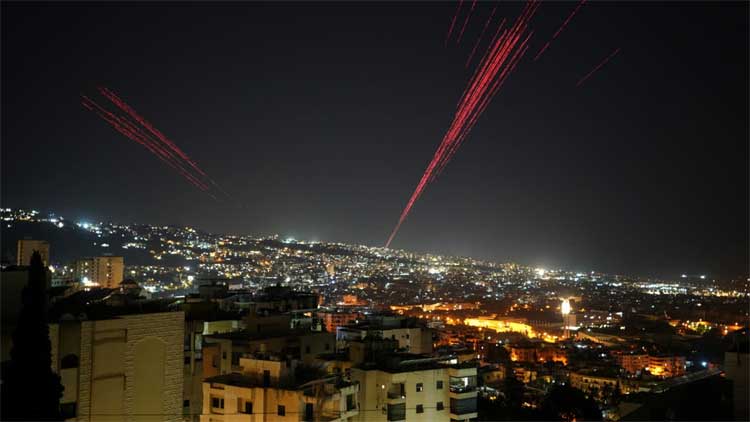
Lebanon’s army on Friday reported multiple “acts of aggression” by Israel, saying they breached a ceasefire that had just come into force at midnight—raising early doubts over a fragile 10-day truce aimed at ending weeks of intense conflict.
In a post on X, the Lebanese army urged residents in the south to remain cautious, citing “a number of violations” following “several Israeli acts of aggression.” The warning came within hours of the ceasefire taking effect. Lebanon’s state-run National News Agency reported Israeli shelling in the southern villages of Khiam and Dibbine roughly 30 minutes after the truce began. Israel’s military said it was reviewing the reports.
The ceasefire was announced by US President Donald Trump as part of efforts to pause hostilities between Israeli forces and Hezbollah. While Hezbollah is not formally a signatory, the agreement is seen as tied to wider regional de-escalation efforts involving the US and Iran.
Despite the deal, tensions remain high. Israeli Prime Minister Benjamin Netanyahu said Israel agreed to the truce to advance diplomatic efforts but insisted troops would stay in southern Lebanon, where operations against Hezbollah are ongoing.
“That is where we are, and we are not leaving,” Netanyahu said, referring to a proposed 10-kilometer “security zone.” Hezbollah, however, signaled it may continue to resist Israeli forces, warning that any “occupation” of Lebanese territory gives it the right to respond—potentially undermining the ceasefire.
According to the US State Department, the agreement allows Israel to act against imminent threats but otherwise requires a halt to offensive operations. Critics say this clause could leave room for continued strikes under certain conditions.
Hostilities persisted until the final minutes before the truce, with Hezbollah launching rockets into northern Israel and air raid sirens sounding in border communities shortly before midnight. On the ground, uncertainty prevails. Gunfire rang out in parts of Beirut as residents marked the ceasefire, while some displaced families began returning to southern areas despite official warnings to wait for stability.
The agreement follows intense diplomatic efforts led by Washington, including rare indirect contacts between Israeli and Lebanese officials. It also overlaps with broader regional negotiations involving Iran. However, with more than a million people displaced in Lebanon and key disputes unresolved, the durability of the ceasefire remains in question.
Comments are closed.