
COP31: Global Leaders To Discuss Climate Action As Turkiye Calls For New International Deal

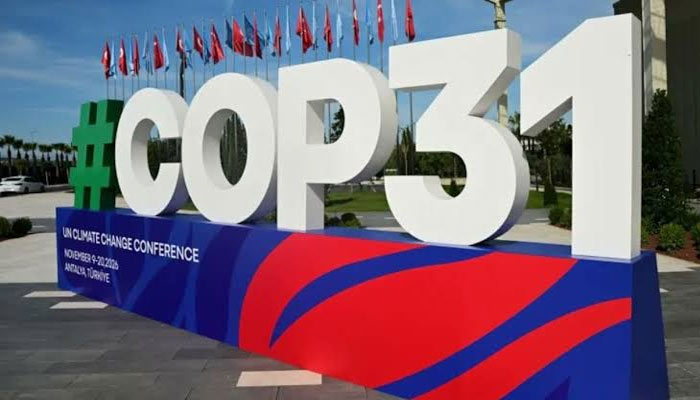
Global leaders are gathering at the COP31 climate summit in Antalya, Turkiye, to discuss pressing environmental challenges and outline their plans to tackle climate change.
With representatives from nearly 200 countries participating, Wednesday’s high-level discussions are expected to focus on expanding the use of electricity worldwide and building consensus on reducing reliance on fossil fuels.
The conference is taking place amid growing concerns over rising global temperatures, persistent greenhouse gas emissions and competing international challenges, including geopolitical conflicts and economic uncertainty. A United Nations assessment published last month warned that the world is likely to exceed the 1.5-degree Celsius warming limit established under the Paris Climate Agreement.
Major Global Leaders To Address Climate Summit
Several presidents and heads of government are scheduled to deliver speeches on Wednesday and Thursday, with their interventions expected to influence the direction of climate negotiations.
Brazilian President Luiz Inacio Lula da Silva, European Commission President Ursula von der Leyen, Chinese Vice President Han Zheng and Marshall Islands President Hilda Heine are among the leaders expected to address delegates on Wednesday.
Laurent Fabius, former French Prime Minister who presided over the landmark 2015 Paris climate conference, said the speeches could help strengthen political commitment to climate action. He currently leads an advisory council comprising former COP presidents.
Speaking to Reuters, Fabius highlighted the need for governments to explain how they would translate their climate promises into practical action, describing implementation as a key priority for the Antalya summit.
The United States will once again stay away from the negotiations, marking its second consecutive year of absence. President Donald Trump withdrew the country from international climate cooperation after taking office in 2025 and has repeatedly dismissed concerns over global warming.
Turkiye Seeks 35% Electricity Consumption Target By 2035
Turkiye, which is hosting this year’s conference, wants countries to make electrification a central component of the final climate agreement.
Its proposal calls for electricity to account for 35 per cent of total global energy consumption by 2035, compared with slightly more than 20 per cent at present. The initiative is intended to encourage greater use of electricity in sectors such as transportation, industrial production and buildings.
However, the proposal has attracted criticism because it does not specifically require additional electricity generation to come from clean energy sources. Without a corresponding expansion of renewable and low-carbon power, greater electrification may not deliver the expected reductions in emissions.
Another major concern is the absence of a firm commitment to reduce dependence on coal, oil and natural gas. Negotiators are yet to agree on a comprehensive strategy for moving away from fossil fuels.
Antonio Guterres Urges Countries To Set Fossil Fuel Transition Timelines
United Nations Secretary-General Antonio Guterres has called on governments to take concrete steps towards ending dependence on fossil fuels.
Addressing the conference on Tuesday, Guterres said countries could no longer avoid discussing the transition away from conventional energy sources. He urged governments to establish clear timelines for reducing the use of coal, petroleum and natural gas.
The demand comes after the previous COP summit in Brazil failed to secure an agreement on a worldwide roadmap for reducing fossil fuel consumption.
In an effort to revive the discussion, Brazil’s COP presidency has recently presented a proposed roadmap. It suggests that countries should assess their energy systems and prepare transition plans by 2028, before beginning coordinated efforts to reduce fossil fuel supplies from 2031.
As negotiations continue in Antalya, the focus remains on bridging differences between countries and turning existing climate commitments into measurable action.
Comments are closed.